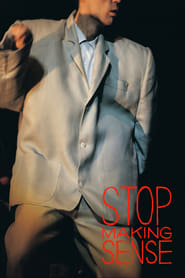
Stop Making Sense 1984
Rob's pick for a top-three concert film of all time: straight performance, no interview material at all.
The Big Picture · Discussion · Review · Roundtable · Interview
July 23, 2021/ 97 min/ Sean Fennessey · Rob Harvilla
Rob Harvilla joins to survey the pop-star doc and rank the genre's best, then Sean talks to Garrett Price about directing Woodstock 99: Peace, Love, and Rage.
29 films across 4 segments.
AI-generated This episode was transcribed and analyzed with AI models. The matches aren't perfect — expect the occasional misheard title or a link to the wrong film.
The pop-star documentary, surveyedwith Rob Harvilla
Rob's pick for a top-three concert film of all time: straight performance, no interview material at all.
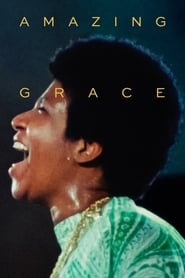
Aretha Franklin's recording sessions, shelved for decades before release; light on backstage material but you feel the room.

Grouped with the pure-performance films: Prince, no framing device.

U2 at their imperial-era peak, trying to be “the most American band of all time” despite not being American: “so beautiful and so corny at the same time.”
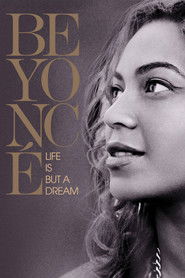
Beyoncé's first HBO doc, years before Lemonade. She talks to her laptop, but never lets the control slip.
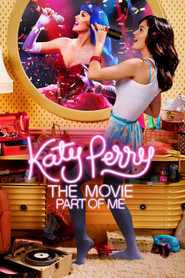
The image that sticks: five minutes sobbing on a bed over her collapsing marriage, then up on a hydraulic lift with the smile back on for a stadium in Brazil.
Beyoncé's Coachella film. Rob's pick for the best of the last 20 years.
Taylor Swift's chosen vulnerable moment: finding out she didn't get a Grammy nomination.
The Oscar-friendly move: turn the camera on the backup singers instead of the star.
Same prestige lane as 20 Feet from Stardom: you didn't know about this person, but you should.
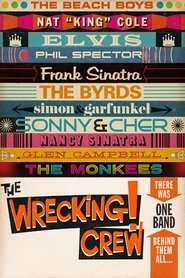
The session musicians nobody knew by name, working in the same subculture-excavation mode the Oscars tend to reward.

Referred to on air simply as “the Fugazi documentary.” Jem Cohen's film, with Ian MacKaye hanging upside down in a basketball hoop mid-song.
The Hulu/New York Times doc, part of this year's run of prestige music docs.
Criticized for leaning too hard on the Ike Turner years at the expense of the five decades of work that followed.
R.J. Cutler's film. Her idea of a revelation, a relationship that ended, is deliberately, almost radically mundane for a teenager this famous.
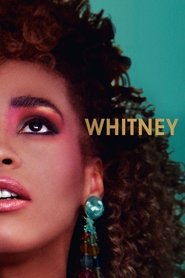
Well-made, but a late sexual-assault allegation makes it a much harder watch than Amy for Sean.
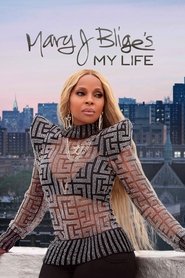
Cited via a friend's review: sets out to be revelatory and doesn't quite get there.
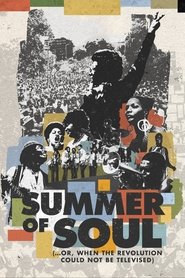
Questlove's Harlem Cultural Festival film, named alongside Eilish and Sparks Brothers as the year's three standout music docs so far.
The Sparks Brotherswith Rob Harvilla
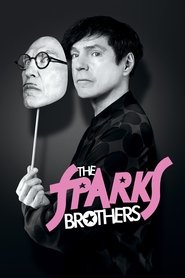
Edgar Wright's profile of Russell and Ron Mael across roughly 25 albums. Maximalist by design, with animation, claymation, and archival footage from decades of European talk shows. Ron's deadpan, unchanging on-camera stare across 30 years is the thing both hosts keep coming back to.
The top five each host ranked five, worst to best; two picks overlapped
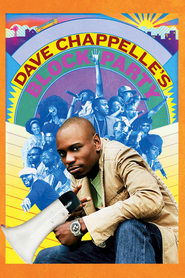
No. 5: Michel Gondry's film of Chappelle's 2004 Bed-Stuy block party, with Kanye West, The Roots, Erykah Badu, and a Dayton, Ohio marching band bussed in to play “Jesus Walks.”

No. 4: Where Rob locates the birth of the modern pop-star documentary. Warren Beatty, watching a doctor examine Madonna's throat on camera, asking why any of this is being filmed.
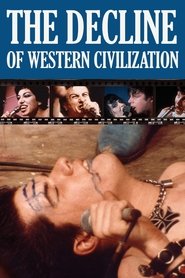
No. 3 (shared). Penelope Spheeris on the early-80s L.A. punk scene: Black Flag, X, the Germs, the Circle Jerks.
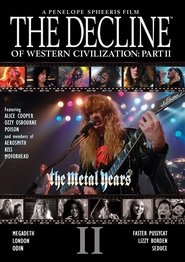
No. 3 (shared). Same director, hair metal instead of punk. Chris Holmes of W.A.S.P. drinking vodka in a pool while his mother watches is the scene everyone remembers.
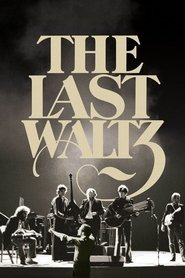
No. 2: Scorsese's film of The Band's farewell concert, with Dylan, Neil Young, Joni Mitchell, and the Staples Singers sitting in.

No. 1: Joe Berlinger and Bruce Sinofsky catch the band mid-implosion, therapist on payroll, recording the record that became St. Anger.

No. 5: Ondi Timoner's seven-year chronicle of the Dandy Warhols and the Brian Jonestown Massacre, and Anton Newcombe's spiral in particular.
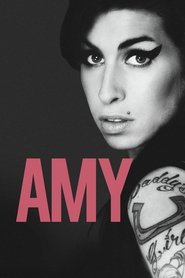
No. 2: Asif Kapadia's Amy Winehouse film. Sean saw one of her first U.S. shows, at Joe's Pub in New York, before Back to Black came out.
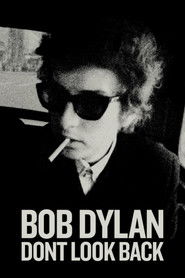
No. 1: D.A. Pennebaker's Dylan portrait from 1965-66, opening with the cue-card “Subterranean Homesick Blues” sequence often cited as the first music video.
In conversation
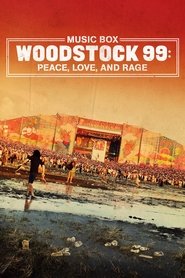
Director Garrett Price on structuring the film as a three-act, Friday-to-Sunday descent; on power dynamics (generational, racial, gender) as its throughline; and on not wanting the on-screen nudity and assault accounts to tip into exploitation.
Also mentioned raised along the way
In passing LemonadeThe CarterFade to BlackThe Decline of Western Civilization Part III
Not films filtered out: TV, games, ads
TV Mare of Easttown
Web series Justin Bieber: Seasons
Ads Netflix (FIFA World Cup Launch Edition)Boar's HeadWhite Claw