
She Dies Tomorrow 2020
Amy Seimetz's self-funded, self-shot movie about a contagious anxiety that kills; the new release that made apocalypse the week's topic. Sean's interview with Seimetz runs the following week.
The Big Picture · Discussion · Top Five · Interview
August 7, 2020/ 117 min/ Sean Fennessey · Amanda Dobbins
Sean and Amanda each rank their five favorite apocalypse movies, then James Gray returns to talk lockdown filmmaking, Ad Astra, Armageddon Time, and what he's been showing his kids.
43 films across 5 segments.
AI-generated This episode was transcribed and analyzed with AI models. The matches aren't perfect — expect the occasional misheard title or a link to the wrong film.
Digressions along the waynot ranked, just mentioned
Amy Seimetz's self-funded, self-shot movie about a contagious anxiety that kills; the new release that made apocalypse the week's topic. Sean's interview with Seimetz runs the following week.
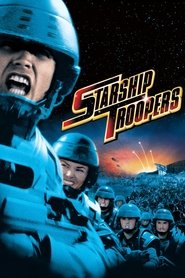
Sean's other short-list pick. He loved it at 15 as pure alien-invasion spectacle before clocking the Third Reich satire underneath, and says giant bugs specifically are what would break him.
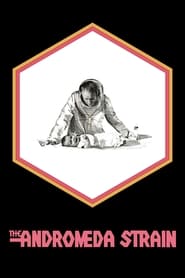
Amanda watched this Michael Crichton adaptation for the first time to prep. A satellite crash-lands and infects a New Mexico town, but the back two-thirds are pure lab procedural, which she pegs as Soderbergh's evident model for Contagion, alongside All the President's Men.
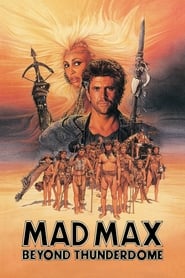
Sean rewatched it this week to confirm he still doesn't like it, and doesn't think it holds up next to Fury Road.
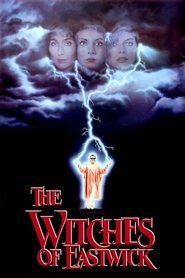
Sean's quarantine discovery, prompted by a You Must Remember This deep dive on production designer Polly Platt; he traces George Miller's visual moves from here through to Fury Road.
Amanda Dobbins's Top Fivebest to worst
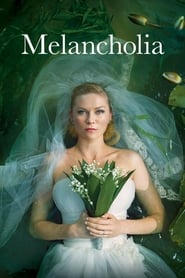
No. 1. Right before Amanda walked down the aisle at her wedding, her dad turned to her and said, "This is just like the wedding in Melancholia": meant, and received, as a compliment.
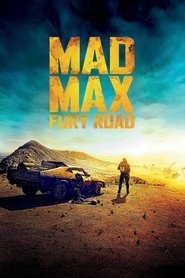
No. 2. Not a genre she usually gravitates to, but picked for pure apocalypse imagery: the vista, the desperation, and the exact way she pictures surviving without her contacts, which is to say not surviving at all.
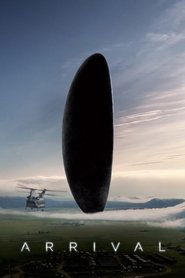
No. 3. Denis Villeneuve's first-contact drama, picked for the long stretch where nobody, including the audience, knows whether this is even the apocalypse.
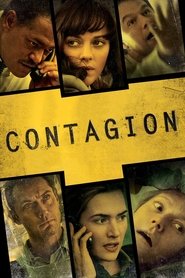
No. 4. Rewatched four months into COVID-19. Some of it, like Kate Winslet's contact tracing, plays as prophecy; some of it, like the vaccine timeline, plays as movie magic.
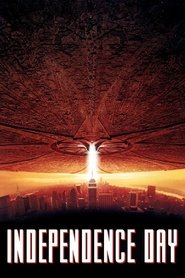
No. 5. Her one mandatory Roland Emmerich/Will Smith pick, chosen mostly for the laser beam over the White House and Bill Pullman's speech.
Sean Fennessey's Top Fivebest to worst
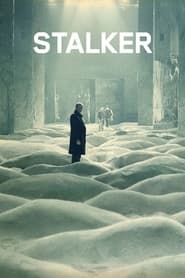
No. 1. Andrei Tarkovsky's film about a guide leading two men into the Zone, a post-apocalyptic space that grants wishes. Sean first saw it at 19 and didn't get it; he rewatched it this week and was floored.
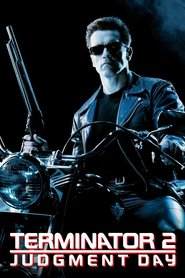
No. 2. James Cameron's sequel, picked for Sarah Connor's playground nuclear-blast nightmare, the image Sean says defined the apocalypse for him as a kid.
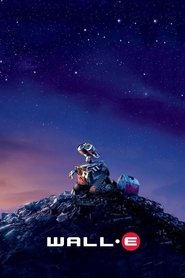
No. 3. Andrew Stanton's Pixar film starts as a post-apocalyptic story about an abandoned Earth and turns into an indictment of the fat, phone-addicted humans who fled it.
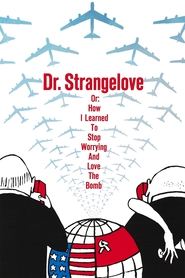
No. 4. Kubrick's nuclear farce, picked as the counter to the slow-burn apocalypses elsewhere on the list: mutually assured destruction inside 24 hours.
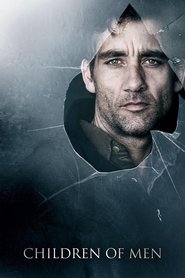
No. 5. Alfonso Cuarón's film about a world that can no longer have children; Sean calls it Cuarón's best. He dates it to 2007 on air, but it's a 2006 release.
James Gray on Ad Astra, quarantine, and what's next
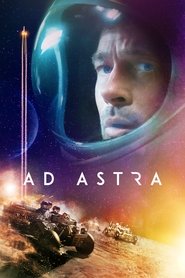
His most expensive, most "big tent" film. With some distance, he says he's still processing mixed reactions and didn't have full creative control over the final cut, unlike his earlier films.
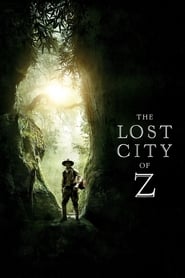
Sean's reference point for Gray's prior work, alongside Ad Astra and The Yards.
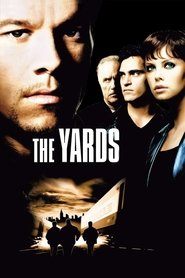
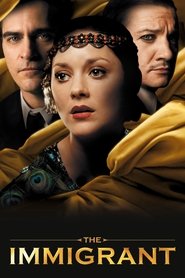
Gray's own example of a film that's personal without being autobiographical, about a woman in 1921.
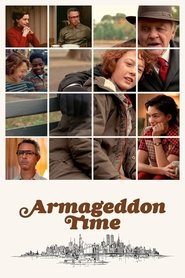
Gray finished the first draft in early March 2020, right before lockdown, with Robert De Niro, Anne Hathaway, Oscar Isaac, and Cate Blanchett attached. A personal, New York-set drama he calls the script he's most fond of to date; it wouldn't reach theaters for another two years.
James Gray on what he's showing his kidslockdown film school

Reading Sam Wasson's book about its making prompted Gray's broader rumination on old Hollywood right before he started rewatching classics with his kids.
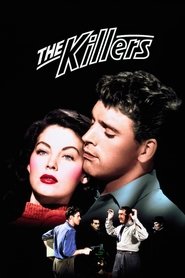
Robert Siodmak's noir with Burt Lancaster and Ava Gardner. Rewatching it mid-lockdown triggered Gray's broader Lancaster reappraisal.
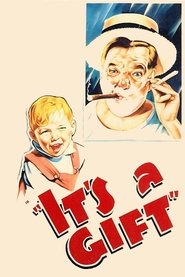
W.C. Fields and Baby LeRoy, watched the prior night. Prompted his son to ask what $44,000 in the film was worth today; Gray guessed a million, and it's actually about $844,000.
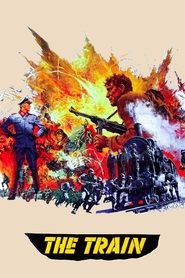
John Frankenheimer's Lancaster vehicle, part of a run of Lancaster titles during lockdown.
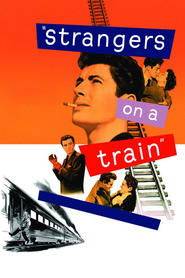

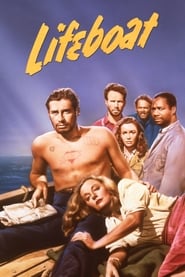
Hitchcock's single-set World War II thriller; his kids' favorite of the bunch.

Shown to his 14-year-old, who called the Anne Bancroft/Dustin Hoffman bar scene "a great shot" on his own. Gray, watching it again for the first time in 25 years, thinks the back half is weaker than the first.
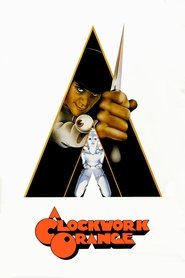
Watched with his 14-year-old; Gray says he had to substantially revise his opinion of it on this viewing.
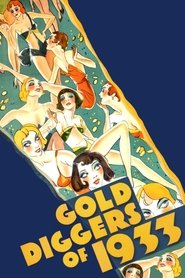
Currently streaming on HBO Max, which Gray flags as proof of how much easier this era of film is to access now than when he was young.
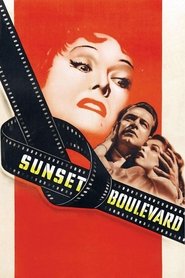
His closing recommendation for the moment. Gloria Swanson's isolation and hunger for connection hit differently rewatched mid-lockdown.
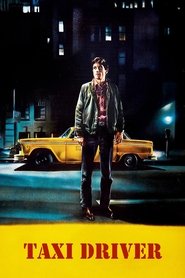
He wants to show it to his 14-year-old but thinks his younger daughter isn't ready for it yet.
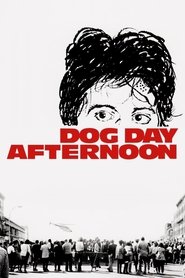
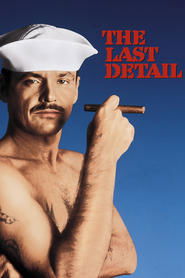
Hal Ashby's film with Jack Nicholson. Gray loves it, but says his kids couldn't follow the premise of a sailor's brief furlough before a prison sentence.
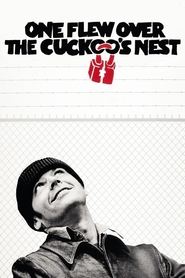
The older kids thought it was great; the youngest found it upsetting.
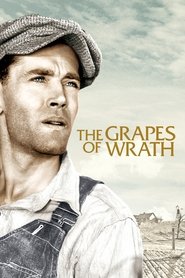
Required a primer on strikes, unions, and the New Deal before his kids could follow it. Gray calls it important for them to understand what deprivation looks like.

Landed well with the kids, unlike some of the more period-specific picks.
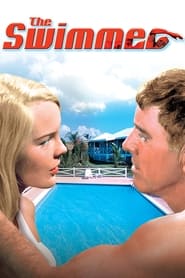
Frank Perry's film with Burt Lancaster, one of Gray's biggest lockdown discoveries. Not a perfect movie, he says, but he couldn't believe it got made.
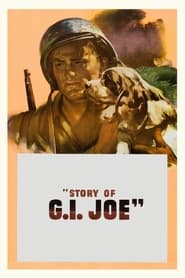
William Wellman's war film with Burgess Meredith and Robert Mitchum, a recent first watch Gray calls terrific and compares to They Were Expendable.
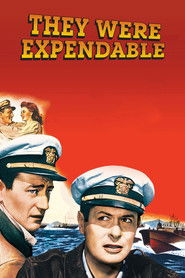
John Ford's film with Robert Montgomery and John Wayne, Gray's point of comparison for The Story of G.I. Joe.
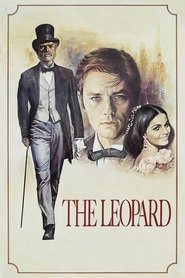
Visconti's three-hour-plus epic with Lancaster, Gray's example of a film that's genuinely work to watch, even when it's great.
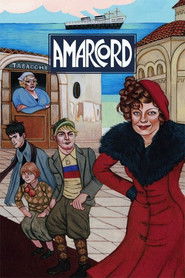
Fellini's dreamlike memoir. Gray cites the black-garbage-bag ocean-liner scene as the kind of heightened style American realism can't get away with.
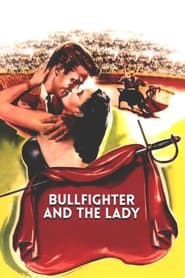
Budd Boetticher's film, which Gray mentioned on a prior appearance on the show and finally watched during lockdown.
Also mentioned raised along the way
Disaster-movie wave Deep Impact2012The Day After TomorrowEarthquakeThe Poseidon AdventureArmageddonVolcanoDante's Peak
In passing The TerminatorBonnie and ClydeApocalypse NowGoodfellasRaging BullThe GodfatherThe Godfather Part II42nd StreetThe Philadelphia StoryHolidayBorn YesterdaySabrinaStalag 17The French ConnectionPaths of GloryAll Quiet on the Western FrontSummer with Monika
Not films filtered out: TV, games, ads
Ads An American PickleNAS EnergyNetflix (FIFA World Cup Launch Edition)MasterclassCarvanaFanDuelBoar's HeadWayfair
Podcasts You Must Remember ThisThe Rewatchables