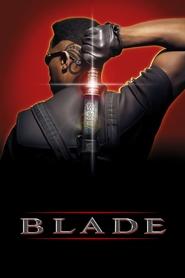
Blade 1998
Wesley Snipes' vampire hunter, a surprise hit ($131.2 million on a $45 million budget) that proved a genre movie could carry a C-list Marvel character nobody outside the comic shop had heard of.
The Big Picture · Discussion
November 17, 2017/ 61 min/ Sean Fennessey · Jason Concepcion · David Shoemaker
Sean, Jason Concepcion, and David Shoemaker trace superhero movies from Blade's surprise hit through the MCU's assembly line, DC's shaky search for its own voice on the eve of Justice League, and what's next once Infinity War hands the franchise off to a new cast.
33 films across 5 segments.
AI-generated This episode was transcribed and analyzed with AI models. The matches aren't perfect — expect the occasional misheard title or a link to the wrong film.
Blade to the MCUhow genre movies built the modern superhero movie
Wesley Snipes' vampire hunter, a surprise hit ($131.2 million on a $45 million budget) that proved a genre movie could carry a C-list Marvel character nobody outside the comic shop had heard of.
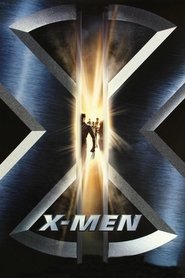
Bryan Singer's launch of the modern era, and the template problem that came with it: introduce a dozen characters at once and hope the act-three fight earns the emotional weight.
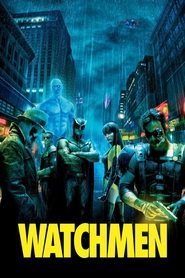
Zack Snyder's faithful adaptation of the Alan Moore/Dave Gibbons graphic novel. An easier job, the hosts argue, because there was a hard stop to the source material.
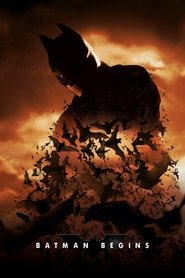
Christopher Nolan's start of the Dark Knight trilogy, five years after X-Men, and the beginning of DC's belated answer to a shared-universe strategy.
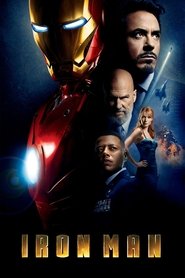
Robert Downey Jr., a total gamble at the time, and a $300 million run that stunned even Zack Snyder: the film that kicked off the MCU brand.
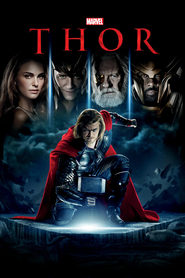
Chris Hemsworth's introduction, described here as a 'loss leader': the movie mattered less than the stinger scenes tying it to Avengers.
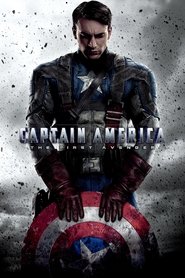
Alongside Thor, one of the two films Zack Snyder mocked before either came out: 'Captain America movie? What?'
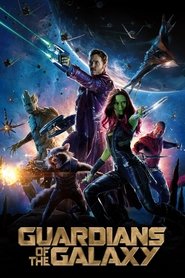
Marvel's biggest flex: a team nobody had heard of (Rocket Raccoon, a wrestler, Chris Pratt doing sit-ups) that still made $300-plus million on brand alone.
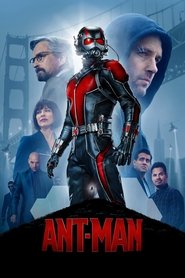
Proof the MCU could coast on infrastructure after Guardians: greenlit because 'let's do Ant-Man,' and now considered one of the more beloved entries.
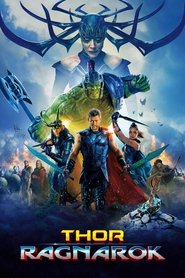
'The Thor movie that came out two weeks ago,' cited as one of the five best Marvel movies, after two lesser films spent years finding the character's tone.
DC's Uneven Riseon the eve of Justice League
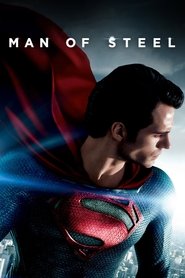
Zack Snyder's Superman reboot, commercially successful but criticized for a city-leveling final battle with Zod that never reckons with its civilian toll.
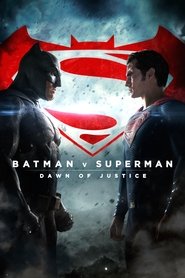
Overcorrects for that criticism with newscasters narrating an empty battlefield: a symptom, the hosts argue, of DC not trusting its own storytelling voice.
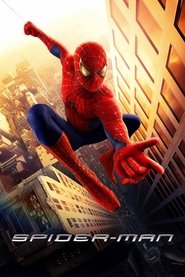
Invoked in the same breath as Wonder Woman for how to do an origin right: the Green Goblin's story is fused directly into Peter Parker's.
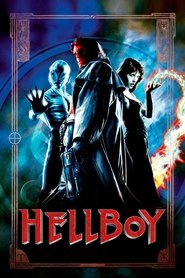
Cited alongside Spider-Man as a villain-driven origin done well: 'it's the Nazis.'
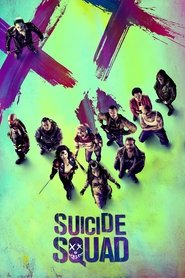
A trailer that sold a Marvel-style movie the finished film wasn't, chasing Deadpool's success through extensive reshoots. Margot Robbie's Harley Quinn is the one thing that landed.
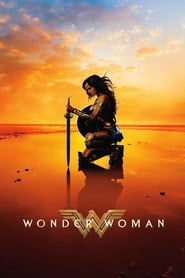
The first DCEU movie that isn't reacting to something else: Patty Jenkins's singular vision, closer to Marvel's trust-the-director model than anything else DC has made.
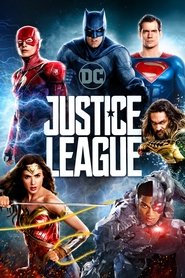
Unreleased at recording; the hosts haven't seen it. Has to sell Cyborg, Aquaman, and the Flash as future tentpoles while patched together by Joss Whedon after Zack Snyder left following a family tragedy.
Batman and the Rogues Gallerythe Nolan trilogy and Heath Ledger's Joker
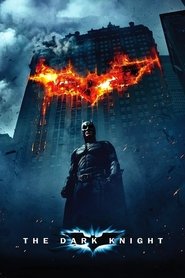
Heath Ledger's Joker, cited as the main reason people still talk about the Nolan trilogy in glowing terms; his death left open what future Batman/Joker stories might have looked like.
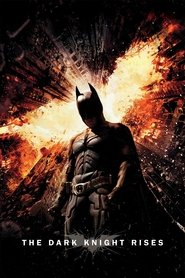
Referenced via Jason's imagined Aquaman line to Batman: 'Do you know how many fucking fish died when you exploded that nuclear weapon?'
The X-Men Universe, Genre Firstescaping the tyranny of Wolverine
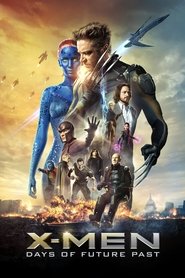
Loved by the hosts despite bending a classic comic arc to accommodate Jennifer Lawrence's contract: self-defeating world-building in service of a bigger star.
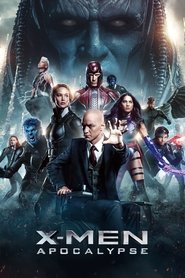
Grouped with Days of Future Past as a middling-to-dissatisfying execution of a classic comic storyline.
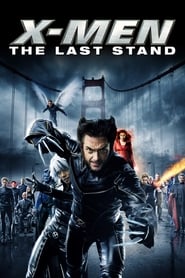
Kills off Cyclops (James Marsden) off-screen in the first half hour: emblematic, the hosts argue, of the franchise underserving its own characters.
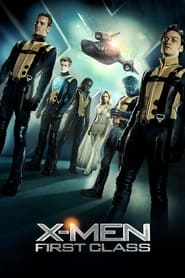
Jason's exception to the franchise's mediocrity: 'it had a certain style that I liked.'
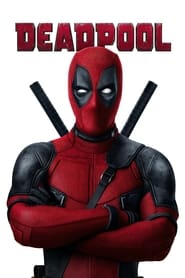
Ryan Reynolds's solo movie reset the model: tell the truest version of one character instead of shoehorning in the whole roster.
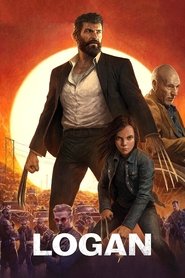
The corrective: two characters, a strong supporting cast, and the Old Man Logan influence. Universally loved on this podcast.
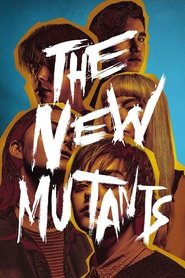
Pitched at the time, off a trailer, as a horror movie: X-Men going full genre picture, echoing Blade's original gambit.
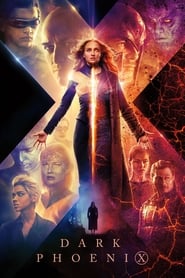
The next planned X-Men film, retelling the Phoenix saga with Sophie Turner, after The Last Stand's botched version of the same story.
What's Next for MarvelInfinity War and the handoff to a new generation
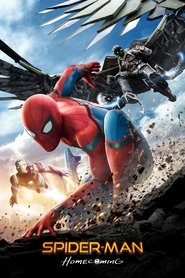
Tom Holland's solo debut, praised here as a credible, likable Spider-Man; the MJ reveal cited as proof storytelling can beat fan service.
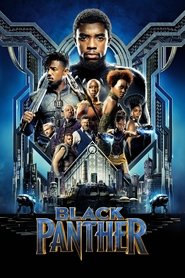
Ryan Coogler's film, the first black filmmaker directing one of these franchises, with an all-black cast around a character elevated by Ta-Nehisi Coates's comics run.
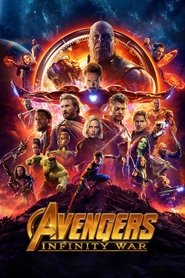
The third Avengers film and, the hosts guess, the start of Marvel handing the torch to its next generation of heroes.
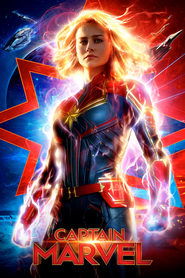
An open question at the time: period setting unclear (the hosts guess the '80s or '90s), and how it plugs into the wider MCU still unknown.
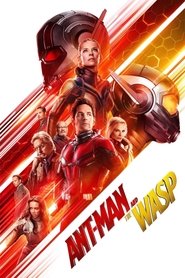
Floated, skeptically, as a potential pillar of the next phase.
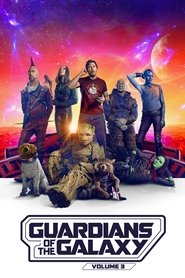
Referenced as inevitable ('there will be a Guardians 3'), with doubt about whether Chris Pratt's stardom can keep anchoring it.
Also mentioned raised along the way
Not films filtered out: TV, games, ads
TV The GiftedDaredevil
Comics Saga
Unmade Sinister Six
Ads ZipRecruiter