No. 1
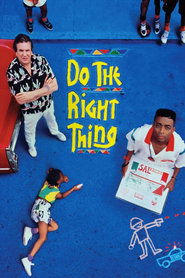
Do the Right Thing 1989
No. 1. Maybe the best movie of the 1980s, and maybe the most essential text on what it means to live in and be a citizen of New York.
The Big Picture · Top Five · Interview
June 9, 2020/ 97 min/ Sean Fennessey
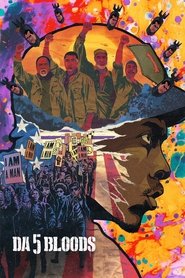
A solo tribute ahead of Da 5 Bloods: Sean's top five Spike Lee films, a replayed Rewatchables conversation with Wesley Morris about Do the Right Thing, and interviews with two of Lee's longest-running collaborators, composer Terrence Blanchard and editor Barry Alexander Brown.
28 films across 4 segments.
AI-generated This episode was transcribed and analyzed with AI models. The matches aren't perfect — expect the occasional misheard title or a link to the wrong film.
Sean's Top Five Spike Lee Filmsrecorded amid the George Floyd protests, ahead of Da 5 Bloods
No. 1. Maybe the best movie of the 1980s, and maybe the most essential text on what it means to live in and be a citizen of New York.
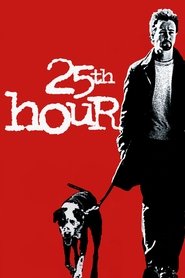
No. 2. Written by David Benioff from his own novel; Ed Norton's Monty Brogan spends his last day before prison. One of the most impactful movies of this century, and proof Spike works on a broader canvas than he's given credit for.
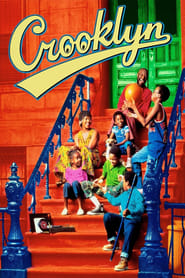
Tied for No. 3 with Clockers. A personal reflection of Lee's family life, co-written with his sisters, and one of the most touching movies Sean can recall.
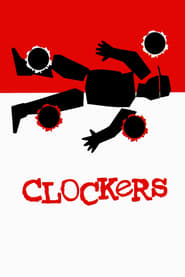
Tied for No. 3 with Crooklyn. Still a story of family and community, but also of crime and policing, with Mekhi Phifer, Harvey Keitel, John Turturro, and a towering Delroy Lindo.
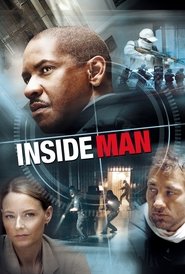
No. 4. Originally conceived as a Ron Howard movie; Lee turns it into his version of Dog Day Afternoon, working openly in Sidney Lumet's mold, with Denzel Washington and Jodie Foster.
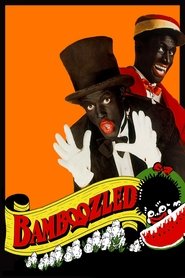
No. 5. An extravagant satire: Damon Wayans's Black TV executive, pushed by his white studio boss (Michael Rapaport), reinvents the minstrel show for the new millennium. Recently reissued by Criterion.
Do the Right Thing, revisitedreplayed from a 2019 Rewatchables conversation with Wesley Morris
The Wikipedia synopsis reduces it to the pizzeria wall of fame, but that dispute over whose photos hang there really is the whole movie: who gets a foothold in a neighborhood, and who's given one just by being who they are. David Denby's contemporary review in New York Magazine called the ending 'a shambles'; Morris and Fennessey call it a perfect, deliberately dialectical film that nobody 'wins.'
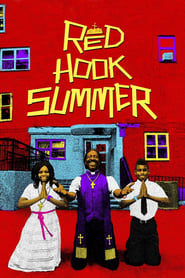
Mookie reappears years later, delivering pizza for a relocated Sal's. Lee insisted it wasn't a sequel to Do the Right Thing, but the choice clearly says Brooklyn doesn't change.
Terrence Blanchard on scoring Spike

Blanchard's first collaboration with Lee, coaching Denzel Washington's trumpet fingering scene by scene.
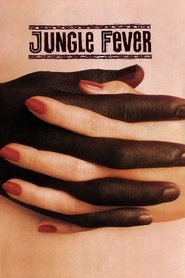
Blanchard's first score for Lee: he played Spike a solo piano piece he was writing for the murdered children of Soweto, and it became the film's love theme after Spike overheard it.
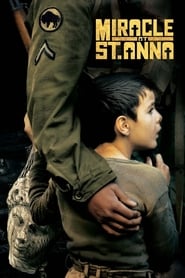
Lee sent Blanchard set-still screensavers before footage existed; Blanchard had to rewrite the entire opening battle sequence once Lee asked for something more emotional and melodic instead of action music.
Blanchard tried to signal a delicate love theme by scoring it for piano and flute; Lee heard it and made it the main theme instead.
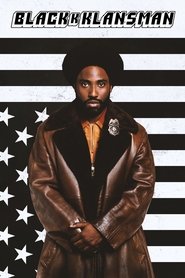
Blanchard calls it the culmination of decades of work with Lee.
Built around Marvin Gaye; the four-minute-49-second opening sequence alone took Blanchard five days to write and, he says, will go down as a classic.
Its drum sound came up again while Blanchard was scoring Da 5 Bloods.
Barry Alexander Brown on cutting Spike
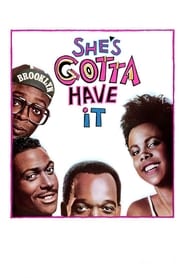
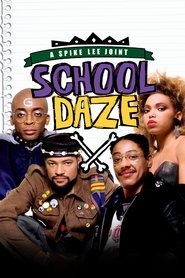
Neither of them knew editors were supposed to cut during the shoot, so Brown didn't touch the footage until Lee wrapped, then cut the whole film in six weeks.
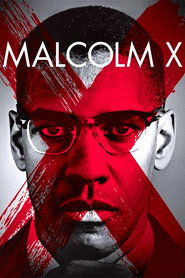
The film after which Brown finally started to think of himself as an editor rather than a writer or documentarian who happened to cut.
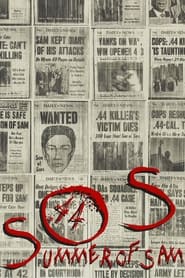
One of the run of films Lee and Brown shot on film with nightly projected dailies, before the shift to digital.
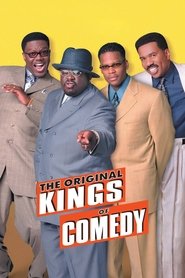
Their first digital feature, cut with an assistant, Kim Chisholm, who'd never worked on film before.
Cut fast on Avid; the Kwame Ture campus-speech portraits and the Harry Belafonte/Birth of a Nation intercut were both built in days, not weeks, with Lee tweaking after the first pass.
Shot partly on film even as they went digital: a frame-rate mismatch in the final Brian Cox monologue forced Brown back onto an old-fashioned work print to fix it.

Brown edited Mira Nair's film in the same period he was cutting for Lee; it earned a foreign-language Oscar nomination.

Brown cut Madonna's tour documentary not long after Do the Right Thing.
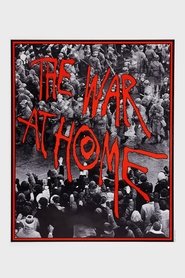
Brown's own Oscar-nominated documentary about 1960s Madison, Wisconsin, which he calls the film school he never had.
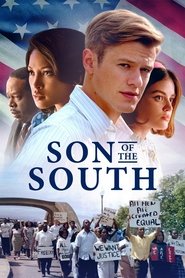
Brown's own film, in pre-production at the time of this interview: Bob Zellner, a white Alabama college graduate radicalized by the 1961 Freedom Riders.
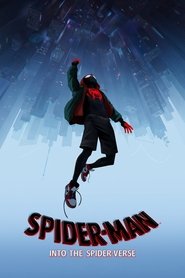
Brown's answer to the show's closing question ('the last great thing you've seen'), calling it, animation or not, some of the best editing around.
Also mentioned raised along the way
Where to watch him (Sean's rundown) He Got Game4 Little GirlsGet on the BusDa Sweet Blood of JesusChi-RaqShe Hate MeGirl 6
Named in passing Weekend at Bernie'sDog Day AfternoonBeverly Hills CopWedding CrashersOklahoma!West Side StoryThe Birth of a Nation
Not films filtered out: TV, games, ads
TV When the Levees BrokeIf God Is Willing and da Creek Don't RiseMike Tyson: Undisputed TruthShe's Gotta Have It (Netflix series)
Opera Fire Shut Up in My Bones