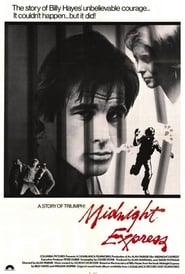
Midnight Express 1978
Alan Parker's film about Billy Hayes, busted trying to smuggle hash out of Turkey, a story that mirrors Stone's own drug arrest in Mexico. Won him his first Oscar, for adapted screenplay, at 31.
The Big Picture · Discussion · Roundtable
July 31, 2020/ 119 min/ Sean Fennessey · Amanda Dobbins
Sean and Amanda dig into Oliver Stone's memoir 'Chasing the Light,' then run his 20-feature filmography through a game of fuck, marry, kill.
28 films across 2 segments.
AI-generated This episode was transcribed and analyzed with AI models. The matches aren't perfect — expect the occasional misheard title or a link to the wrong film.
The screenplays, off the tablewriting credits, not eligible for the game
Alan Parker's film about Billy Hayes, busted trying to smuggle hash out of Turkey, a story that mirrors Stone's own drug arrest in Mexico. Won him his first Oscar, for adapted screenplay, at 31.
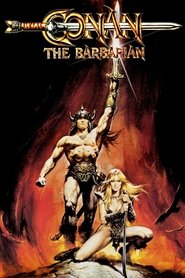
One of several outside screenwriting jobs from Stone's pre-directing years, named only as an off-the-table writing credit.
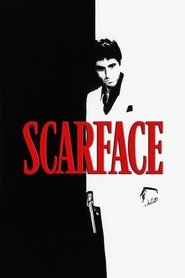
Brian De Palma directs Al Pacino from Stone's script. Sean calls it De Palma at his most De Palma, with Stone throwing every idea in his bag into the screenplay. He says the film was ultimately saved and mythologized by hip-hop rather than the Hollywood that produced it.
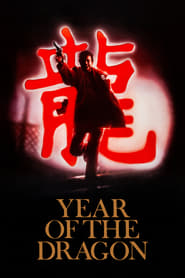
A Michael Cimino film, one of several writing jobs Stone took before Salvador and Platoon got greenlit.
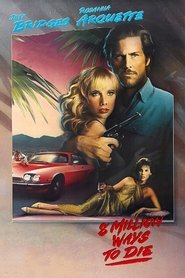
Another writing-only credit from the same stretch, mentioned in passing.

Stone wrote a version of this for years and desperately wanted to direct it; it was eventually made a decade later by Alan Parker, starring Madonna.
The game: fuck, marry, kill 20 features, chronological: each host picks 3 fucks, 3 marries, 3 kills
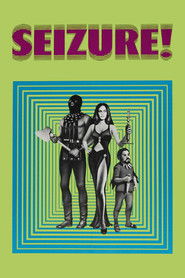
Stone's ultra-low-budget directing debut, spun out of a recurring nightmare about three figures who kill everyone in his life. Sean rewatched it for this episode; both agree it's a pass: the instincts are visible, the movie isn't good.
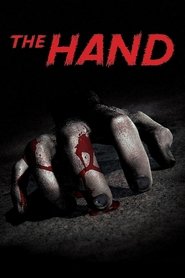
Michael Caine as a cartoonist whose severed hand comes back to strangle people. Made after Stone had already won an Oscar for Midnight Express, which Sean says is evidence he still wasn't ready to be a great filmmaker.
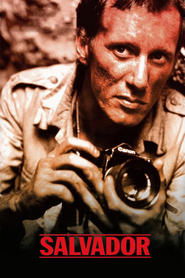
James Woods earned a Best Actor nomination as a journalist covering U.S.-backed violence in El Salvador. Amanda passes outright; Sean calls it a scrappy, shoestring movie made by someone still figuring out how to direct.
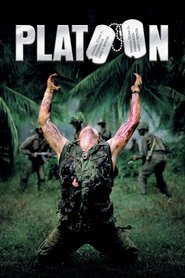
Stone's own Vietnam service, filtered through Charlie Sheen's rookie infantryman. Sean fucks it: he admires it as the template for the war movies that followed more than he loves it outright. Amanda passes.
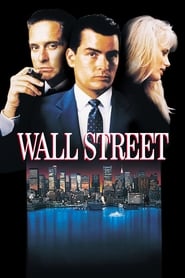
Michael Douglas's Gordon Gekko, "greed is good." Amanda fucks it for the sheer force of the image Douglas creates, even as she thinks the film mistakes its own critique for something deeper.
Sean rewatched and wanted to kill it, thinner and more simplistic than its reputation suggests, with a Charlie Sheen performance he can't defend.
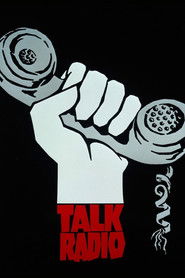
Eric Bogosian's shock-jock monologue, adapted from his own play and shot almost entirely inside a radio booth. Sean marries it, calling it Stone's best-directed film up to that point and a clear forerunner of Twitter-era media. Amanda hadn't seen it in full and passes.
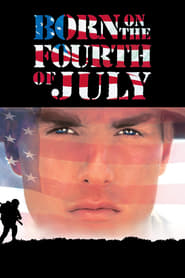
Tom Cruise as Ron Kovic, the paralyzed Vietnam vet turned anti-war activist. Both marry it without hesitation. Sean calls it Stone's most coherent, best-rounded film; Amanda calls it probably his best outright.
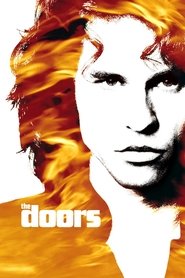
Val Kilmer as Jim Morrison. Both kill it. Amanda has no patience for the boomer rock mythology; Sean finds it listless and self-serious outside one wild Miami-meltdown sequence.
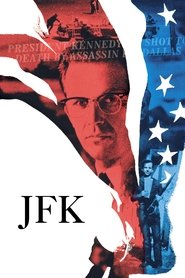
Stone's conspiracy epic, built around Jim Garrison's investigation. Both marry it without hesitation. Sean calls it the film that locked in Stone's fast-cut, multi-stock style and shaped how a generation argues about truth online.
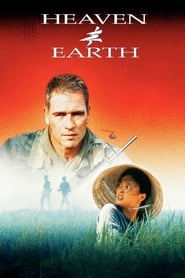
The third panel of Stone's Vietnam triptych, centered on a Vietnamese woman's experience of the war. Both pass. Sean finds it bland and staid, and both point to it as proof Stone has little feel for writing women.
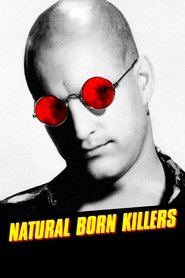
Mickey and Mallory's media-satire killing spree. Sean fucks it, crediting it with rewiring how he thought about what a movie could formally do when he saw it at 13.
Amanda kills it, finding the media-blame thesis outdated and the whole thing exhausting to sit through.
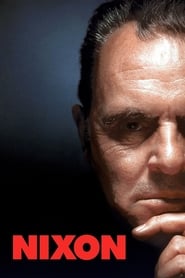
Anthony Hopkins as Nixon, in a three-and-a-half-hour attempt to explain a paranoia America already understood. Both pass.
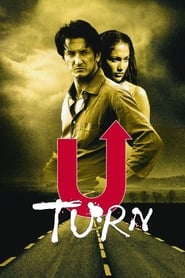
A seedy Sean Penn neo-noir stacked with Jennifer Lopez, Nick Nolte, and Billy Bob Thornton. Sean fucks it, citing a trailer he watched obsessively as a teenager. Amanda gives no verdict.
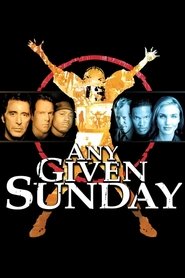
Al Pacino's football epic, with Cameron Diaz as a young team owner. Amanda marries it for its rewatchability and its prescience about the NFL's health crisis, despite what she calls a garbled attempt at a feminist character. Sean says it would've been a marriage too if he'd had a slot left.
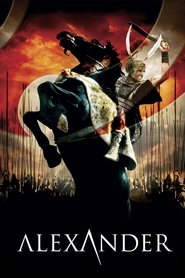
Colin Farrell's epic, a box-office flop later reissued in a nearly-four-hour director's cut. Neither has revisited it recently enough to render a verdict.
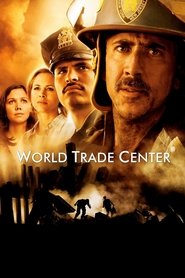
Stone's most conventional, least controversial film. Both pass. Sean calls it his least successful work, ironically because it plays it straight.
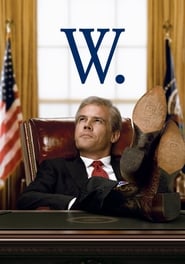
Josh Brolin as George W. Bush. Both kill it. Amanda calls it a bizarrely sympathetic portrait of a man who did real damage; Sean can't square its daddy-issues framing with the moment it was released into.
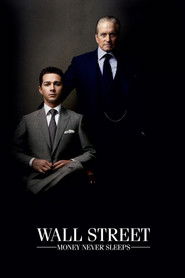
The belated sequel, with Shia LaBeouf and Carey Mulligan. Amanda fucks it too, admitting she's now fucked both Wall Street movies. Sean has no slots left.
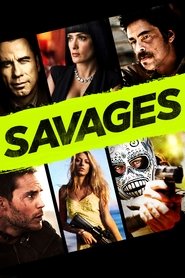
Blake Lively, Taylor Kitsch, and Salma Hayek in a lurid Don Winslow cartel-crime adaptation. Amanda spends her last fuck on it, drawn to its go-for-broke energy. Sean has run out of categories.
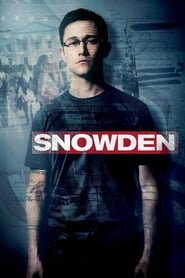
Joseph Gordon-Levitt as Edward Snowden, Stone's most recent narrative feature. Neither will fuck, marry, or kill it. Both call it a hard pass.
Also mentioned raised along the way
In passing Taxi DriverCasualties of WarApocalypse NowFull Metal JacketUncut GemsLawrence of ArabiaA Man for All SeasonsThe Mission
Not films filtered out: TV, games, ads
TV The Untold History of the United States
Ads An American Pickle