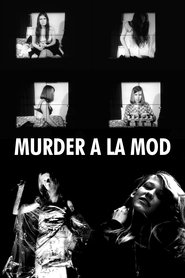
Murder à la Mod 1968
One of his earliest films, with direct-to-camera interview scenes he restaged 40 years later, on a much bigger budget, in The Black Dahlia.
The Big Picture · Discussion · Review
July 13, 2021/ 83 min/ Sean Fennessey
Sean Fennessey and critic Adam Nayman survey 50 years of Brian De Palma, then spend the back half on Blow Out, 40 years on.
29 films across 2 segments.
AI-generated This episode was transcribed and analyzed with AI models. The matches aren't perfect — expect the occasional misheard title or a link to the wrong film.
The Case for Brian De Palmawith critic Adam Nayman
One of his earliest films, with direct-to-camera interview scenes he restaged 40 years later, on a much bigger budget, in The Black Dahlia.
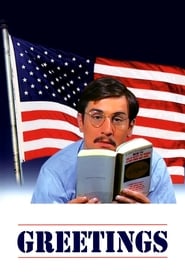
A draft-dodger comedy starring a young Robert De Niro, with a scene tracing the Zapruder film's bullet trajectory over a topless woman's body, years before Oliver Stone's JFK.
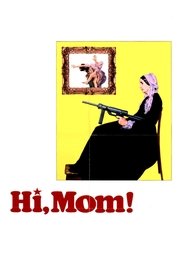
Contains the “Be Black Baby” sequence, where a Black theater troupe stages an immersive show that puts white audience members in blackface; it's shot so it's unclear what's staged and what's real.
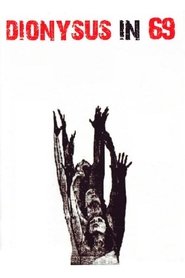
A filmed record of an experimental theater troupe, from his mid-60s run of non-narrative, avant-garde work.
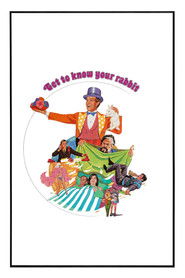
His first studio picture and, by his own account, a disaster; the failure recurs as a theme across his later films.
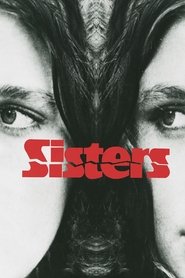
A Bernard Herrmann score and overt Hitchcock quotation tied him to the “De Palma is just doing Hitchcock” line of criticism that followed him into the '80s.
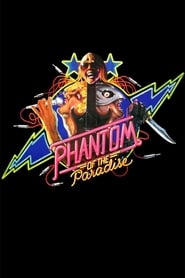
A rock-musical/horror hybrid that flopped on release and has gained a cult following since.
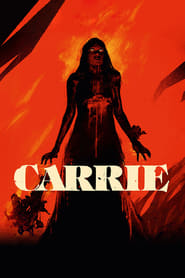
His commercial breakout, anchored by a Sissy Spacek performance the hosts say is played entirely straight while everything around her carries some irony.
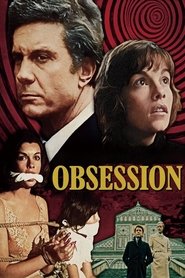
An underseen, unapologetically Hitchcockian thriller; Paul Schrader, who wrote it, also wrote Taxi Driver, a film De Palma was reportedly once attached to direct himself.
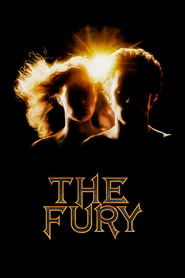
Telekinetic twins and a government villain played by John Cassavetes; Pauline Kael's review argued the film's faults don't matter next to its best scenes.
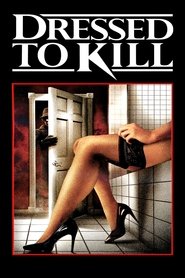
Widely hated on release for its violence and Hitchcock appropriation, but a hit relative to his budget: the film that fixed his reputation as a talented pain in the ass.
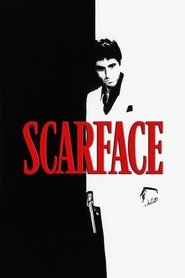
A hit whose afterlife in hip-hop and pop culture dwarfs its actual reputation among De Palma's admirers; the climactic shootout was partly staged by a visiting Steven Spielberg.
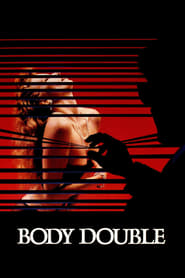
A power-drill murder set piece in a movie so loose it barely holds together, which is the point; American Psycho's Patrick Bateman calls it his favorite film.
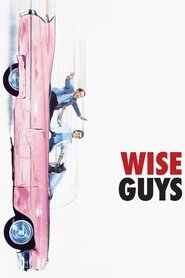
A Joe Piscopo/Danny DeVito mob comedy, lumped together with Body Double and The Untouchables as one of the era's De Palma titles, though it's the one nobody remembers.
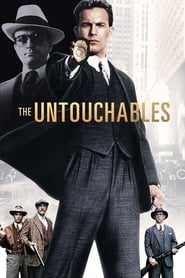
His most conventional studio picture, built around Kevin Costner's moral certainty, with a Battleship Potemkin homage staged almost shot-for-shot at a train station.
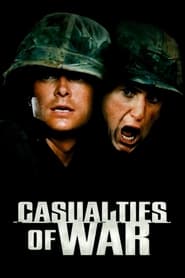
A brutal, commercially unsuccessful Vietnam War film about a soldier's failure to stop a war crime; De Palma has said he has a hard time watching it himself.
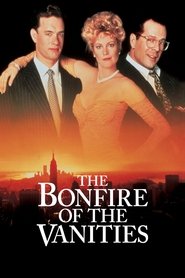
A notorious flop, chronicled in Julie Salomon's book The Devil's Candy.
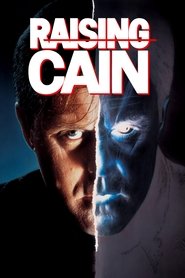
An explicit return to Dressed to Kill territory, with dreams nested inside flashbacks inside dreams.
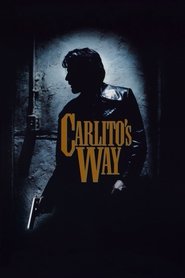
Al Pacino in the film Cahiers du Cinéma called the best of the '90s; the hosts single out its extended tracking shots through the climax.
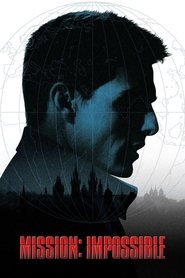
Set the template the franchise still runs on. Its ending kills off most of the original TV show's cast, a meaner version of a plan De Palma wanted to push even further.
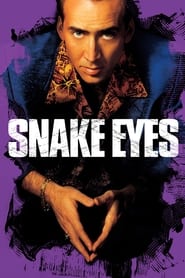
A Nicolas Cage vehicle that reads as a conventional Bruckheimer/David Koepp thriller on the surface but works the same conspiracy and surveillance ideas as Mission: Impossible.
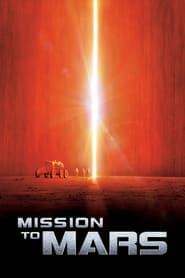
The commercially middling sci-fi movie that inspired Armond White's line that not liking it means not understanding movies.
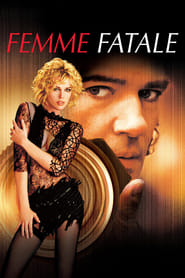
Opens with a sex scene in a Cannes bathroom stall while a worse movie plays in the theater: a litmus-test film for whether his sensibility is for you.

Restages the direct-to-camera interview scenes from Murder à la Mod on a studio budget.
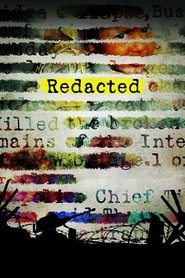
Structured as found YouTube footage, it retells the same story as Casualties of War transplanted to Iraq; his fights with producer Mark Cuban over the ending are part of its history.
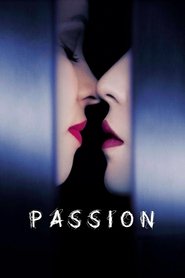
A stripped-down return to the Hitchcockian erotic-thriller mode of Dressed to Kill and Body Double.
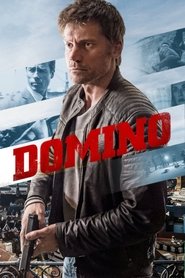
A troubled, low-budget European co-production; the hosts hear a handful of scenes in it as good as anything else in his filmography.
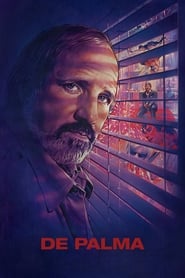
Noah Baumbach and Jake Paltrow's documentary, where De Palma is proudest discussing the films that made money, which the hosts find telling.
Blow Out at 40
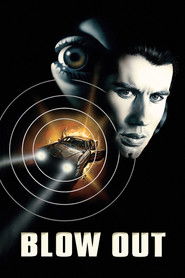
Released as Reagan took office, folding Chappaquiddick and the Zapruder film into an original plot: a sound man (John Travolta) obsessively reconstructs a car crash he recorded, opposite Nancy Allen, John Lithgow, and Dennis Franz. The hosts call it his most totally controlled film and single out the demagnetized-tapes scene and the finale's reuse of a scream recorded as sound-effect filler for Lawrence of Arabia.
Also mentioned raised along the way
Hitchcock, cited throughout VertigoRear WindowNorth by Northwest
Comparison points Taxi DriverJFKNashvilleBattleship PotemkinBlow-UpAmerican PsychoMean StreetsHalloweenBlack ChristmasLawrence of Arabia
What De Palma almost made instead of Blow Out CruisingPrince of the City
Not films filtered out: TV, games, ads
Ads TremfayaNOS EnergyWells Fargo Active CashCarvanaNetflix FIFA World CupFanDuel
Podcasts The Dave Chang Show