Chuck Klosterman on
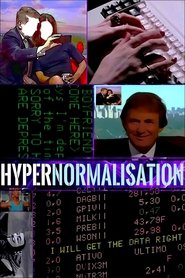
HyperNormalisation 2016
Curtis's shorter, less abstract predecessor to "Can't Get You Out of My Head"; Klosterman watched it after starting the new series.
The Big Picture · Interview
March 23, 2021/ 89 min/ Sean Fennessey · Amanda Dobbins
Chuck Klosterman stops by with two ideas: a defense of Adam Curtis's sprawling BBC documentary Can't Get You Out of My Head, and a long-standing theory about whether the movies a character has supposedly seen also exist in the reality of the movie they're in.
20 films across 2 segments.
AI-generated This episode was transcribed and analyzed with AI models. The matches aren't perfect — expect the occasional misheard title or a link to the wrong film.
Adam Curtis and "Can't Get You Out of My Head"
Curtis's shorter, less abstract predecessor to "Can't Get You Out of My Head"; Klosterman watched it after starting the new series.
The Chuck Klosterman Theory: Do Movies Exist Within Movies?if a character in a movie could watch other movies, which ones exist in their reality?
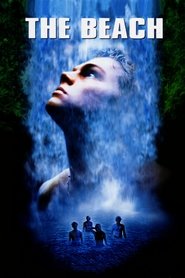
Klosterman's test case: does Titanic exist in the world of this movie, and if so, who plays the lead?
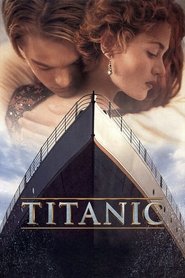
If it exists in the reality of The Beach, Klosterman argues Matthew McConaughey plays the lead instead of DiCaprio.
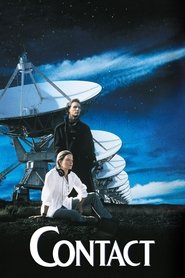
Part of Klosterman's chain reaction: if McConaughey is in Titanic instead, does Ethan Hawke get this role instead?
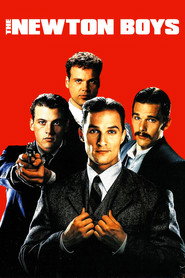
Another link in the McConaughey/Hawke recasting chain Klosterman walks through.
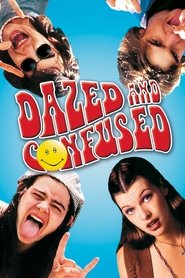
Cited as the movie that would have sent people to see Contact instead, in Klosterman's alternate-casting chain.
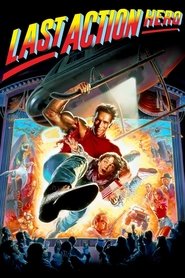
Schwarzenegger plays a character who steps out of a movie into the "real world" of the film, then meets the real Arnold; Klosterman's favorite example of the concept.
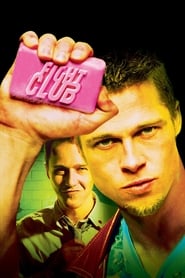
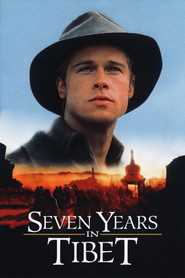
Raised for a street scene with a poster for Seven Years in Tibet.
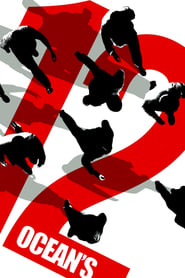
Fennessey's pick for the movie that most aggressively confronts this concept: it posits a woman named Tess who looks exactly like Julia Roberts, so she can be used as a decoy for the real Julia Roberts.

Fennessey's counter-example: Julia Roberts plays a movie star who is essentially Julia Roberts, the same question turned around.
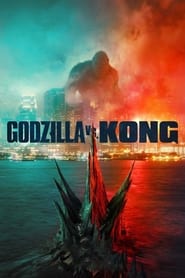
Klosterman brings up the then-upcoming release (referred to on air as "King Kong versus Godzilla") to ask whether the old Godzilla movies exist as historical fact in its world.
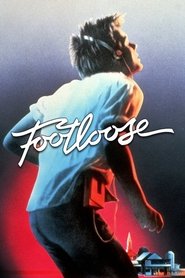
Klosterman's example of a closed-world movie with no other movies in it, though the hero's memories of dancing in Chicago complicate that.

Fennessey raises its parody of a fictional Robert Zemeckis movie as another version of the question.
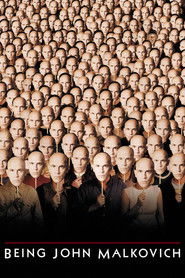
Cited as a film whose internal rules simply have to be accepted, the way Star Trek's speed rules are.
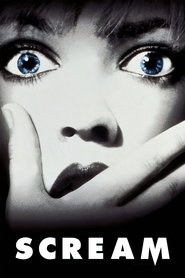
The literal version of the theory: characters survive because they know the rules of horror movies from having watched them.
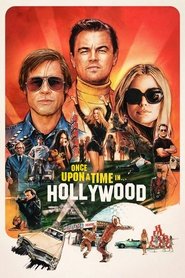
DiCaprio's character appears in fictional TV shows alongside real ones, and the film's ending diverges from real history entirely: what else is different in that world?

Oliver Stone's Jim Morrison biopic; a recent Rewatchables episode on it is what launches Klosterman's biopics tangent.

Klosterman's preferred model for biopics: an interpretive, non-chronological approach to a life rather than cradle-to-grave.
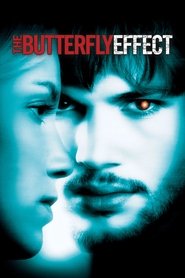
Cited by Fennessey at the close as "the movie that explains this concept" of small changes cascading into different realities.
Also mentioned raised along the way
In passing (movies-within-movies) RockyRamboOver the TopDesperately Seeking SusanCobraOcean's ElevenNixonZack Snyder's Justice League
Not films filtered out: TV, games, ads
TV A Century of the SelfCan't Get You Out of My HeadThe Power of NightmaresFriday Night LightsSt. ElsewhereCheersFrasierThe White ShadowWandaVisionThe CrownThe Twilight ZoneThe WireMad Men
Ads Ringer DishCarvanaNetflix (FIFA World Cup Launch Edition)FanDuelBoar's HeadPepsiMint Mobile