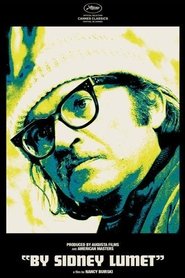
By Sidney Lumet 2015
Nancy Buirski's documentary, effectively a long interview with Lumet cut against clips; the hosts pair it with his memoir Making Movies as the two texts that frame the episode. Streaming on Amazon Prime.
The Big Picture · Discussion · Hall of Fame
July 30, 2024/ 103 min/ Sean Fennessey · Amanda Dobbins · Chris Ryan
Sean, Amanda, and Chris Ryan mark what would have been Sidney Lumet's 100th year by walking his 45-year filmography one film at a time: the working methods from his book Making Movies, the misfires he shrugged off, and the ten they'd call essential.
44 films across 3 segments.
AI-generated This episode was transcribed and analyzed with AI models. The matches aren't perfect — expect the occasional misheard title or a link to the wrong film.
Remembering an American Masterthe book, the documentary, the working style
Nancy Buirski's documentary, effectively a long interview with Lumet cut against clips; the hosts pair it with his memoir Making Movies as the two texts that frame the episode. Streaming on Amazon Prime.
The 10 essentialsthe greens
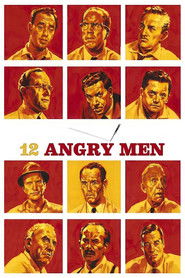
His first feature, directed at 33 after Henry Fonda saw the TV teleplay and handpicked him. One jury room, and instantly one of the greatest movies ever made, the template for everything after it.
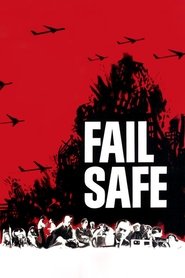
Cold War nuclear-strike thriller made before Dr. Strangelove; another Fonda-led exercise in building tension inside a closed room. In the Criterion Collection, later remade live on TV by George Clooney.
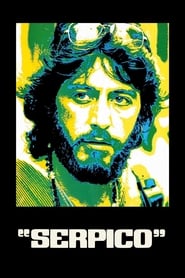
Pacino as the honest cop against a corrupt NYPD. The hosts argue it has aged into being underrated, a rejection of Michael Corleone in both look and performance style.
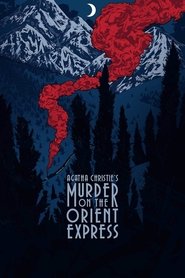
The Agatha Christie all-star caper: Finney, Bergman (who won the Oscar), Connery, Bacall. Lumet reused the real train compartments pulled from the Belgian archives; a $40 million hit.
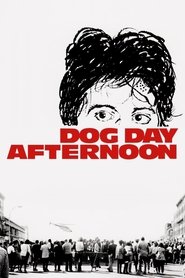
Pacino and John Cazale in the botched bank robbery. 'Attica' was improvised in spirit, and Lumet directed the neighborhood extras to play their own relationships in the crowd.
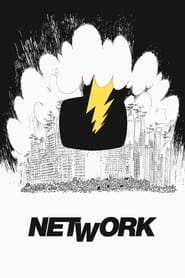
Paddy Chayefsky's media satire: 'Mad as Hell,' the Ned Beatty boardroom speech, Faye Dunaway on fire, Robert Duvall's Frank Hackett. Lumet ramps the surrealism as it goes.
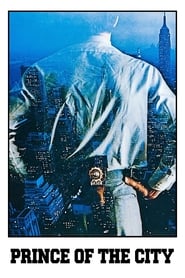
Three-hour corruption epic with Treat Williams, cast without Pacino or De Niro on purpose. The hosts' pick for the best police movie ever made; the last 40 minutes shot in near-darkness.
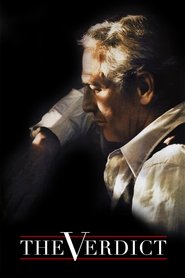
Sean's favorite: Paul Newman's washed-up lawyer, David Mamet's script, and the closing argument shot at a distance instead of in close-up. Arguably Newman's best performance.

Fugitive radical parents on the run, Judd Hirsch and Christine Lahti, and an Oscar-nominated River Phoenix as the piano-prodigy son. What Daniel was reaching for, done straight.
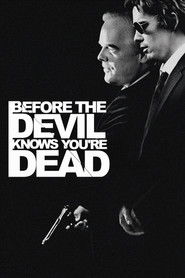
Lumet's last film, made at 83. Philip Seymour Hoffman and Ethan Hawke as brothers who rob their own parents, a dime-store premise that curdles into full Greek tragedy. Albert Finney is very good.
The rest of the filmographyyellows, reds, and the ones that got away

An early Hollywood assignment the walkthrough passes over quickly.

Lumet 'shotgunned into the Hollywood system,' taking on studio stories that don't quite click. Red.
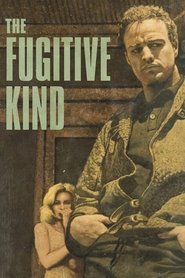
Brando in a Tennessee Williams adaptation (Orpheus Descending) with Anna Magnani and Joanne Woodward. Hugely celebrated, never a big one for the hosts.
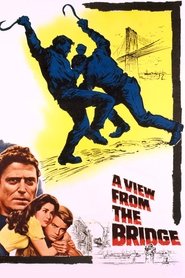
Arthur Miller adaptation, hard to find; possibly on YouTube. Not in.
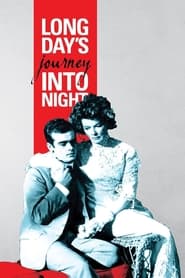
His second feature, a three-hour Eugene O'Neill with Katharine Hepburn, nauseating on purpose. Important to Lumet and cited throughout Making Movies, but edged out of the top 10 by 12 Angry Men.

Rod Steiger as a Holocaust survivor. An essential pre-New Hollywood text for its portrayal of trauma and survival; the hosts 'yellow' it.
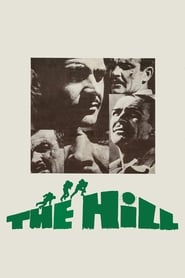
First of five Connery collaborations, a brutal WWII military-prison drama in Libya, and one of Connery's best performances. Near-essential.

Mary McCarthy adaptation and a sentimental favorite that 'deeply doesn't work,' but they love that he swung at it.
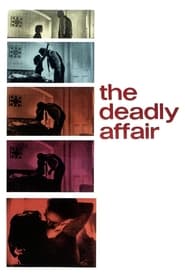
John le Carré adaptation with James Mason as a Smiley figure. A pleasant discovery, sturdy, but not in. On Pluto.
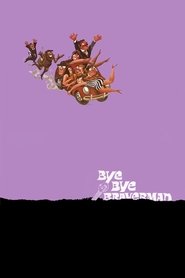
His first real comedy, a George Segal picture about being Jewish in New York. Couldn't grab the tone; comedy wasn't his forte.
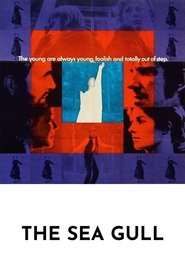
Chekhov with James Mason; unseen by the hosts.
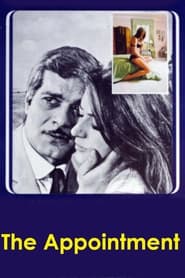
Omar Sharif in Paris, from a James Salter idea. Lumet admitted it wasn't good; he just wanted to shoot in Paris.

Bewildering Tennessee Williams adaptation: James Coburn, Lynn Redgrave, a Quincy Jones score, James Wong Howe photography. Everything says classic; it doesn't cohere.
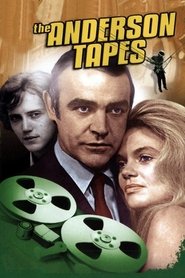
Connery heist thriller with Dyan Cannon, a little Hitchcock, a little anti-Bond. Frank Pierson script, very good, but out.

Boarding-school mystery with James Mason after Brando dropped out; the air goes out of it with the recast.
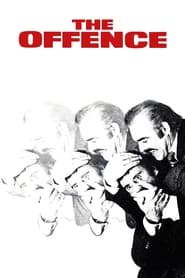
Fucked-up Connery psychological thriller about a cop who kills a suspect he believes is a child murderer. Yellow, as good as some films that made the cut.
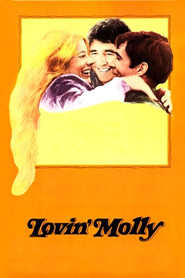
Larry McMurtry's Leaving Cheyenne as a Texas love triangle: Blythe Danner, Anthony Perkins, Beau Bridges. Lumet, not the bard of Texas. Red.
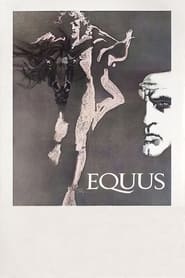
Peter Shaffer play adaptation about a psychiatrist and a boy who blinds horses. Acclaimed at the time; the hosts find it an overwrought Greek-myth rehash. Red.
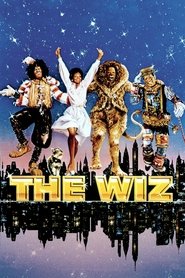
Motown's all-Black Wizard of Oz with Diana Ross and Michael Jackson. A flop, a little long, but a crowd-pleaser handed down as a cult classic, at minimum a yellow.
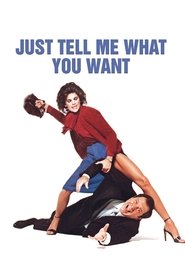
Comedy with Ali MacGraw and Alan King, Lumet licking his wounds after The Wiz. Red.
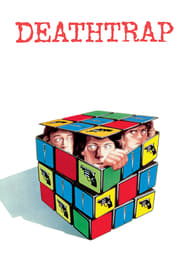
Ira Levin thriller with Michael Caine and Christopher Reeve, a Russian-nesting-doll palate cleanser after Prince of the City. 'Ringer green,' a great time, just not essential.
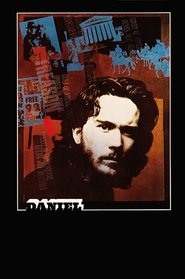
E.L. Doctorow's Rosenberg-adjacent novel, adapted by Doctorow, with Tim Hutton and Amanda Plummer as the executed couple's children. Agonizing and unlike anything else Lumet made, genuinely moving; not Hall of Fame.
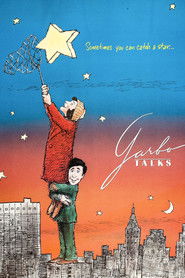
Anne Bancroft vehicle the hosts didn't get to. Not seen.
Underrated political-fixer drama: Richard Gere as a media consultant, an early Denzel Washington, a deep supporting bench. A big flop.
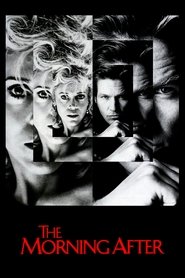
Lumet's Jane Fonda collaboration, with Jeff Bridges. Rickety but one of Fonda's last real hits; she was Oscar-nominated. Not in.

Connery, Dustin Hoffman, and Matthew Broderick as grandfather, father, and son, three great actors you never buy as related. Fine, not in.
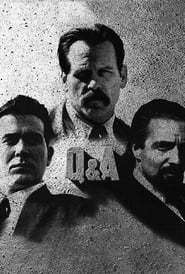
Nick Nolte as a monstrous, evil corrupt cop opposite Armand Assante; Lumet also wrote it. A hard, hard watch that makes Prince of the City look hopeful. Yellow.
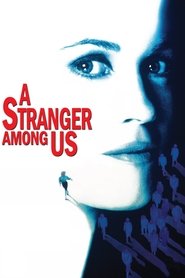
Melanie Griffith undercover in a Hasidic community. A stretch, and the first sign the system was getting away from him. Red.
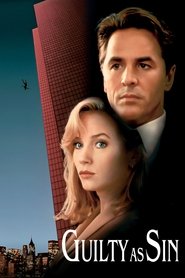
Don Johnson and Rebecca De Mornay in a not-quite-erotic thriller. Watchable, but he's no Adrian Lyne. Not in.

Andy Garcia and Richard Dreyfuss in a NYC-government corruption story Lumet wrote himself, from Robert Daley's Tainted Evidence. The best of his thin 90s stretch, even if the poster says otherwise.

James Spader in a Network-for-healthcare satire that doesn't work, except for the young Jeffrey Wright life-support sequences, shot all in white, which are gorgeous modern art dropped into a bad comedy.
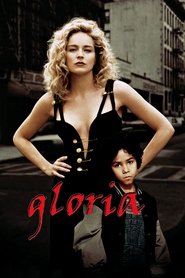
Sharon Stone in a remake of the Cassavetes film. Feels duplicative; you just don't need it. Red.
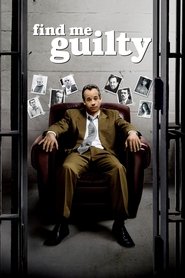
Vin Diesel as a mobster who defends himself across an endless mob trial; Lumet co-wrote it. A near-comedy, very long and deliberately durational, not for the hosts.
Also mentioned raised along the way
Comparisons and asides The French ConnectionOn the WaterfrontRebel Without a CauseDr. Strangelove or: How I Learned to Stop Worrying and Love the BombBarry LyndonPulp FictionSleuthThe Last of SheilaLonglegsThe Shallows
Nick Nolte's other stretch Cape FearThe Prince of TidesLorenzo's OilBlue ChipsI Love Trouble
Rewatchables lore and vacation viewing The Hunt for Red OctoberInside MovesEncantoDeadpool & Wolverine
Not films filtered out: TV, games, ads
TV Presumed InnocentThe BearIndustryWe Own This City100 Centre StreetStrip SearchPlayhouse 90You Are There
Books Making Movies
Ads Ringer Fantasy Football ShowGoogle AI Professional CertificateBotoxPepsi