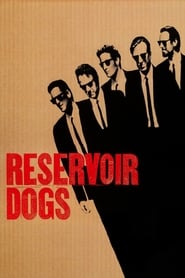
Reservoir Dogs 1992
Funded after Tarantino spent years shopping scripts around Hollywood; Lawrence Bender and Harvey Keitel got it made, shot on a tiny budget in Highland Park in the summer of '91.
The Big Picture · Discussion
January 25, 2022/ 78 min/ Sean Fennessey · Adam Nayman
Sean Fennessey and Adam Nayman mark 30 years since 'Reservoir Dogs' premiered at Sundance, then tour the rest of the class of '92 it broke out from.
52 films across 2 segments.
AI-generated This episode was transcribed and analyzed with AI models. The matches aren't perfect — expect the occasional misheard title or a link to the wrong film.
'Reservoir Dogs' at 30
Funded after Tarantino spent years shopping scripts around Hollywood; Lawrence Bender and Harvey Keitel got it made, shot on a tiny budget in Highland Park in the summer of '91.
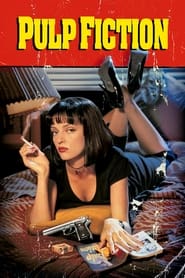
The one Fennessey actually saw first, as a teenager. The two films are 'kissing cousins,' but Reservoir Dogs works by withholding what Pulp Fiction eventually shows.
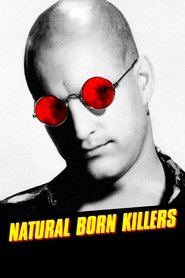
One of the scripts Tarantino was shopping around Hollywood in the years before Reservoir Dogs got made.
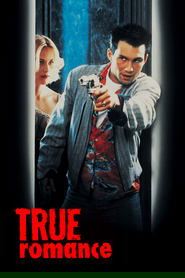
Sold around the same time as Natural Born Killers, before Tarantino could get Reservoir Dogs financed.

The Ringo Lam heist film critics who knew it accused Reservoir Dogs of lifting from.
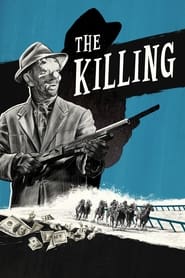
The Kubrick heist picture critics of the era read as Reservoir Dogs' clearest antecedent.
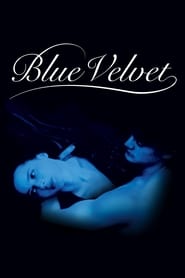
Invoked via David Foster Wallace's line: Lynch is interested in a human ear, Tarantino just wants to show it cut off.
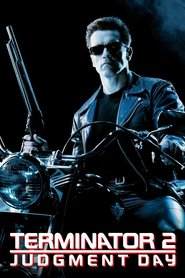
The counterexample: a movie with nothing obscure to chase down, unlike Reservoir Dogs' cultivated deep cuts.
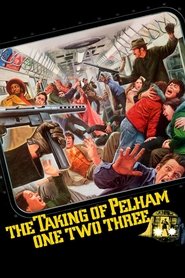
One of the reference points a kid could plausibly have already seen, making the Mr. Pink/Mr. Blonde naming scheme legible.
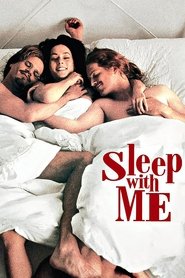
Tarantino's cameo riffing on Top Gun, an early sample of the pop-culture monologue he'd become known for.
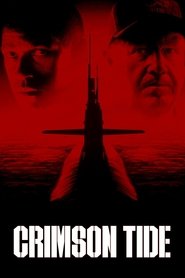
An uncredited Tarantino dialogue polish job.
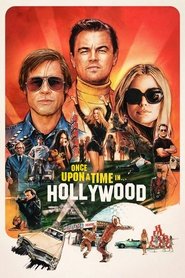
Cited as proof Tarantino always loved Hollywood, even while he was hustling to break into it.
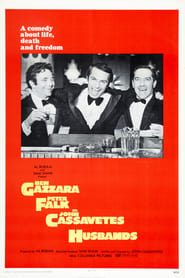
The Cassavetes film Buscemi, in some alternate 1967, could plausibly have starred in.
The Legacy of Sundance '92the alumni class, then and now

Beat Reservoir Dogs to the Grand Jury Prize that year, carried by Steve Buscemi opposite Seymour Cassel.
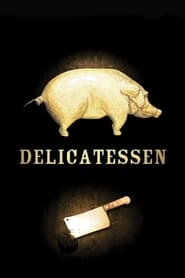
Jean-Pierre Jeunet's post-apocalyptic import: 'Mad Max if it didn't go outside.'
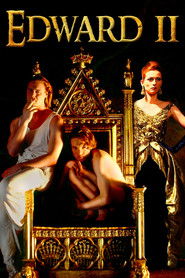
Derek Jarman's film, the new-queer-cinema standard-bearer of that class.
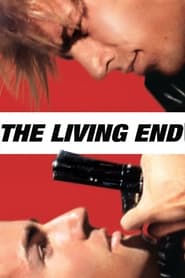
Gregg Araki's road movie about two HIV-positive characters, unapologetic in a way My Own Private Idaho wasn't.

Tom Kalin's Leopold-and-Loeb retelling, a companion piece to Todd Haynes's Poison.

Allison Anders's breakthrough; her career stalling out after it is the episode's case study in how indie Hollywood treats its women directors.
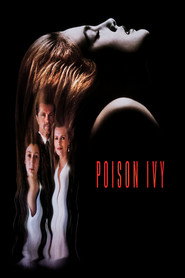
Katt Shea's Drew Barrymore vehicle, defended here as more than the punchline it became at the festival.
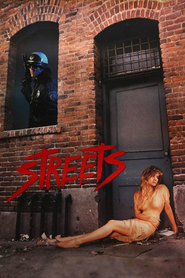
Shea's earlier film, with Christina Applegate as a drug-addicted sex worker in Los Angeles.
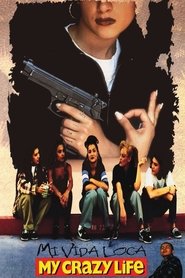
Anders's follow-up to Gas Food Lodging.
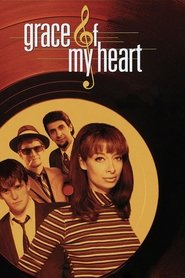
Another Anders film; Ileana Douglas's performance is called one of the great unnominated turns of the mid-'90s.
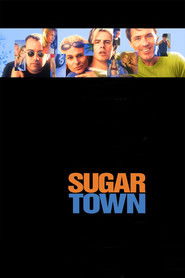
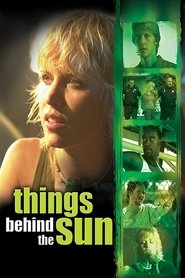
Anders's last feature before an 11-year gap from directing.
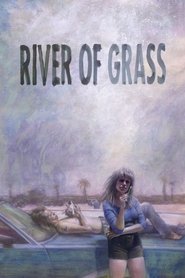
Kelly Reichardt's debut two years later at Sundance, which also cost her nearly a decade before her next feature.
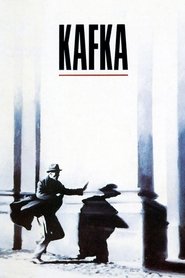
Soderbergh's follow-up to sex, lies, and videotape, now largely forgotten and reportedly due for restoration.
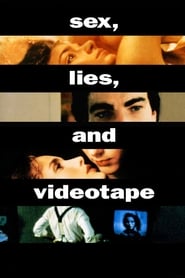
Cited as the first true Sundance phenomenon, three years ahead of Reservoir Dogs.
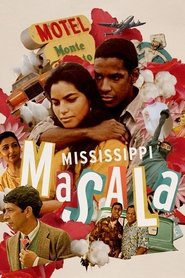
Mira Nair's film from that year.
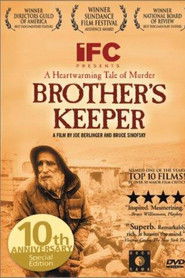
Joe Berlinger and Bruce Sinofsky's documentary, a forerunner of the streaming true-crime boom.
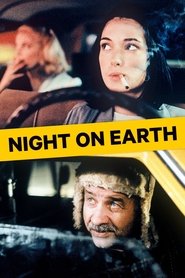
Jarmusch was already an established name by the time this played.
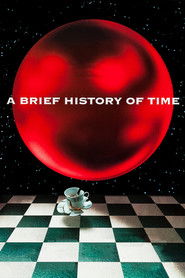
Errol Morris's Stephen Hawking documentary.
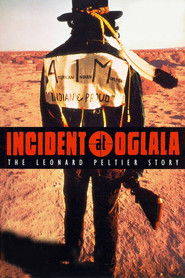
Michael Apted's documentary.

Marlon Riggs's history of Black identity on television, called ahead of its time and only now getting real distribution.
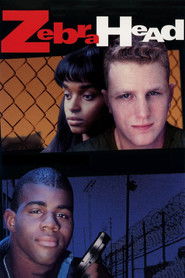
Won the directing award that year; Michael Rapaport stars in an interracial romance.
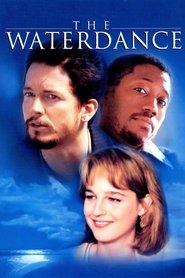
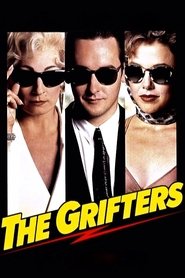
Called a closer analog to Reservoir Dogs than the more overtly political Sundance films of the era.
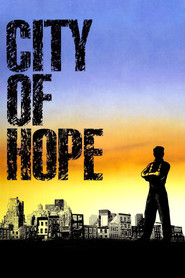
John Sayles.
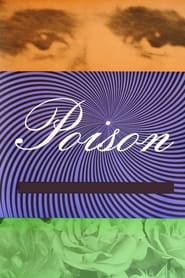
Todd Haynes.

Barbara Kopple's documentary.
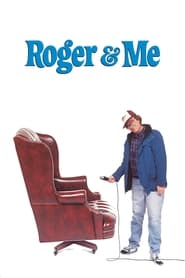
Michael Moore, cited as the prior political touchstone before Reservoir Dogs.

Buscemi's directorial debut, called 'the platonic idea of a Sundance movie.'
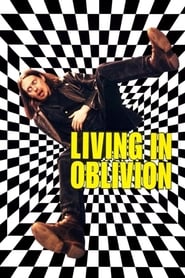
Tom DiCillo's navel-gazing-filmmaker comedy, another Buscemi vehicle.
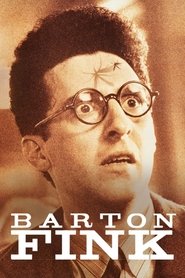
The Coens' navel-gazing-filmmaker predecessor.
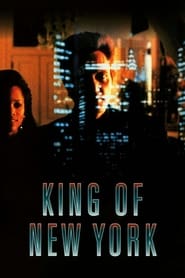
A small Buscemi part before Hollywood took notice of him.
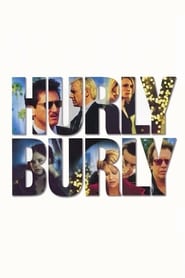
Anthony Drazan's later, messier Sean Penn adaptation.

The Sundance-kids-reunion movie.
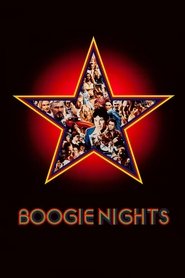
New Line's attempt at 'their Pulp Fiction.'
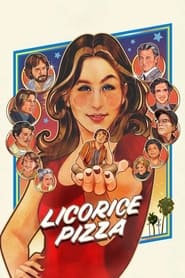
Cited as evidence of the Sundance-adjacent packaging that still surrounds Paul Thomas Anderson.
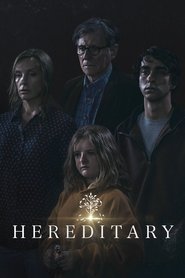
Traced as a root of Sundance's 'elevated horror' reputation.
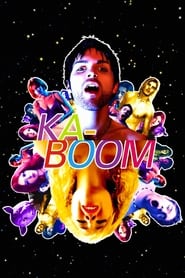
Araki's film, revisited via his 2019 Starz series.

Teased at the very end as a nasty Danish horror pick from this year's festival.
Also mentioned raised along the way
In passing The Exiles
Not films filtered out: TV, games, ads
TV SuccessionRiverdale13 Reasons WhyRed OaksSex and the CityNow ApocalypseAmos 'n' Andy
Ads Netflix FIFA World Cup Launch EditionCarvanaFanDuelBoar's HeadPepsi
Podcasts Higher Learning