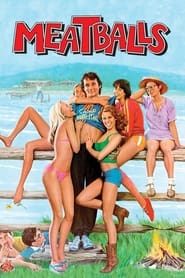
Meatballs 1979
His go-to example of just how strange the genre could get.
The Big Picture · Discussion · Interview
June 29, 2021/ 121 min/ Sean Fennessey · Chris Ryan
Quentin Tarantino sits down with Sean Fennessey and Chris Ryan to talk about novelizing 'Once Upon a Time in Hollywood': the lost history of the genre, a deep dive into James Bridges' filmography, and an obscure rape-revenge movie he can't stop pushing on people.
59 films across 6 segments.
AI-generated This episode was transcribed and analyzed with AI models. The matches aren't perfect — expect the occasional misheard title or a link to the wrong film.
The lost art of the novelizationTarantino's history lesson before the interview even gets to his own book
His go-to example of just how strange the genre could get.
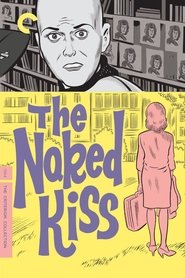
One of Sam Fuller's own novelizations, since he wrote it himself.
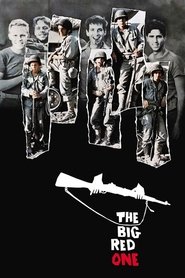
Fuller's novelization of his own film, which Tarantino says beats the movie.
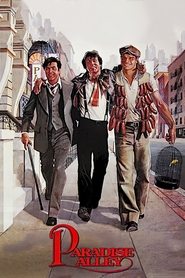
Sylvester Stallone wrote this novelization himself.
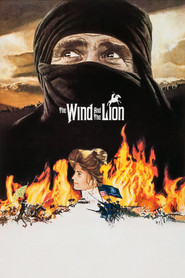
John Milius's own novelization of his film.
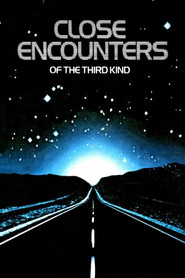
Spielberg got the novelization credit but didn't write it.
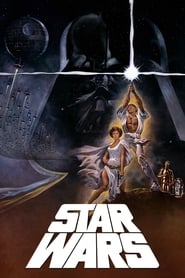
George Lucas didn't write this one either; Alan Dean Foster did.
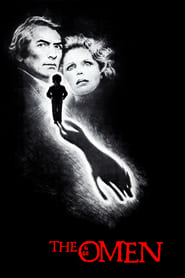
David Seltzer's novelization outsold horror bestsellers of the day; Tarantino says he ran out of time and the back half just proses the script.
In conversationthe 'Once Upon a Time in Hollywood' novelization
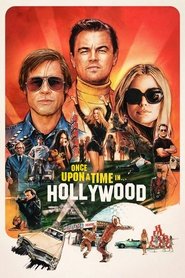
The film the whole book, and this conversation, is built around.
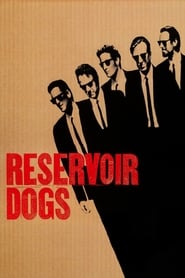
His discarded first novelization idea; he wrote two chapters before switching subjects.

A chapter uses film criticism as narrative to set up Polanski's status at the time.
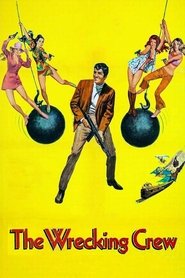
The real Sharon Tate set visit he didn't plan to write into a chapter until he was already writing it.

Marks how long he'd been sitting on unused 'Once Upon a Time' material, since right after this one.
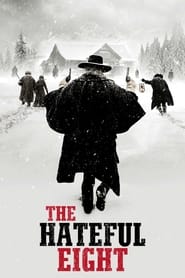
Ryan compares the novel's narrator voice to Tarantino's own chapter-break narration in this film.
The James Bridges deep divehow he ended up rewatching an entire filmography
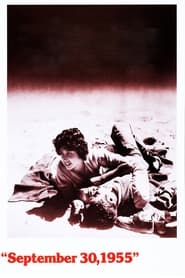
The novelization he's read three times over his life; he avoided the film itself for decades because the book set the bar too high.
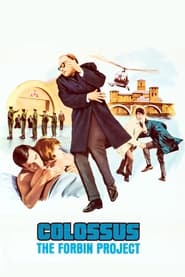
One of Bridges' scripts from before he became a director.
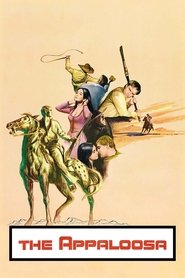
Another of his early writing credits.
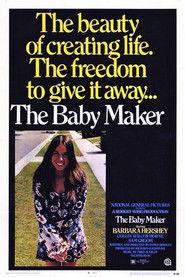
Bridges' directorial debut, with Barbara Hershey.
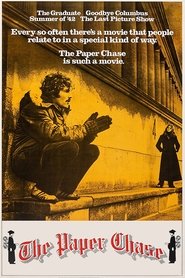
Where his long collaboration with cinematographer Gordon Willis began.
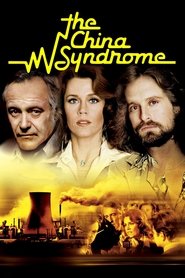
Bridges' breakout commercial hit.
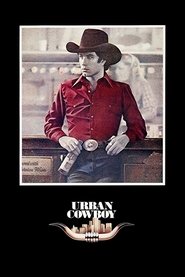
The hit that followed China Syndrome.
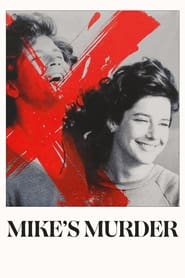
Where Bridges' visual style turns unexpectedly Antonioni-esque.
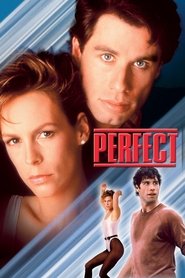
The other film where that Antonioni-influenced L.A. imagery shows up.
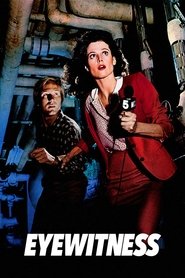
Tarantino thinks William Hurt is miscast as a janitor in the film; the novelization, told in first person, is better.
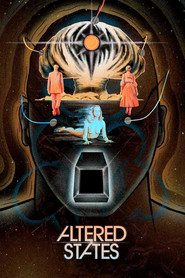
Cited for why Hurt reads as too obviously brilliant to play a nine-to-five janitor.

Lenny Baker is his model for who should've played the Eyewitness lead instead.
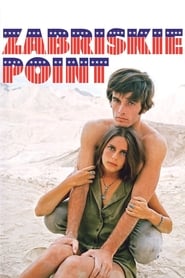
The one Antonioni film Tarantino actually likes.
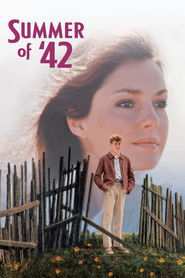
The unacknowledged tonal predecessor to September 30, 1955.
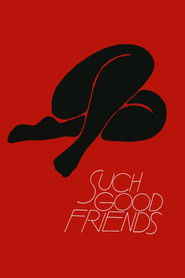
Cited sarcastically as an Otto Preminger 'masterpiece.'
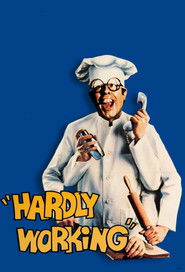
And Jerry Lewis's 'masterpiece,' same joke.
Alternate Hollywoodthe novel's fictional-actress lore
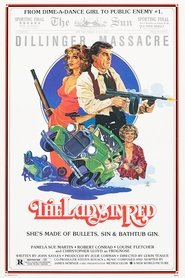
The John Sayles-scripted film his fictional actress Trudy Frazier would remake in this universe.
A role Trudy might have played, per the novel's alt-history casting.
Another role name-checked for Trudy in the same bit.
What Quentin's watching
Would've paid to see it in a theater if it hadn't gone straight to Netflix.
One of only two 2020 releases he'd have paid to see theatrically.
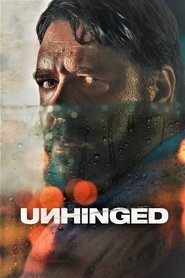
The other one, the Russell Crowe road-rage thriller.
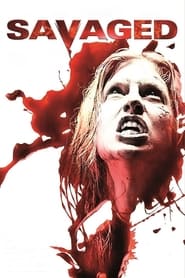
Released in the US as Avenged, an obscure rape-revenge movie he can't stop recommending, plot and all.
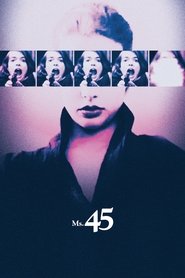
The genre touchstone that got Avenged recommended to him.
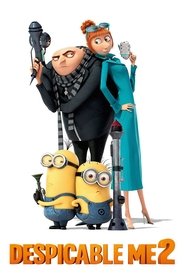
The first movie his 15-month-old son watched start to finish, over several sittings.
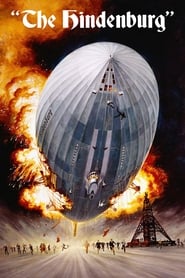
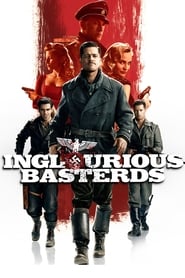
Watched on a 35mm IB Technicolor print, paired with Inglourious Basterds for a New Beverly WWII double bill.

A 1975 movie draft pick cited as proof of how high that year's floor was.
Another 1975 pick; he says it'd be stretched into a six-hour show if made today.
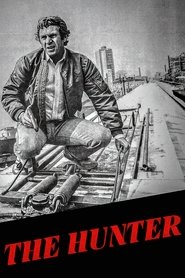
Steve McQueen's final film, which plays better imagined as a TV pilot than as a movie.
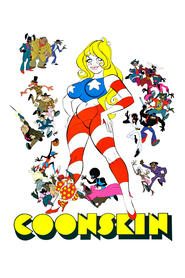
A friend's toddler daughter's favorite movie, to Tarantino's delight.

Better known as I Spit on Your Grave, the joke answer for what not to show his son first.
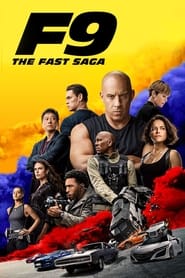
Cited as evidence that big franchise movies are starting to feel like TV.
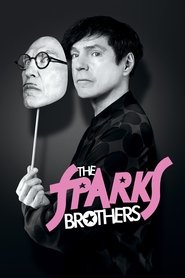
Said he'd rather see this than F9.
Career detours and what-ifsprompted by a Rewatchables grudge
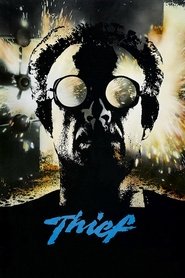
Robert Prosky's dialogue delivery gets relitigated after a Rewatchables recasting debate.
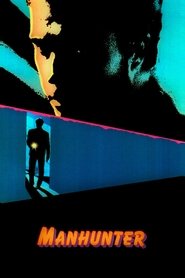
William Petersen's Will Graham, the recasting suggestion that set Tarantino off.

Cited for how you can't unsee an actor once you've read them a certain way: Javier Bardem, in this case.
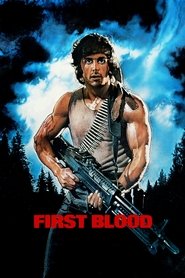
Tarantino would rather adapt David Morrell's novel than remake this.
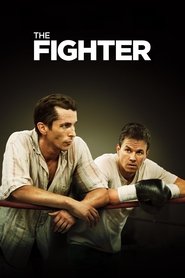
David O. Russell's line about giving up on chasing the muse and just wanting to make a good movie.
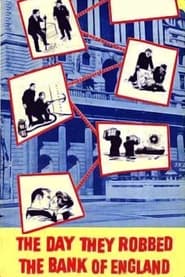
Peter O'Toole's first film, co-starring Aldo Ray, shot right before Lawrence of Arabia.
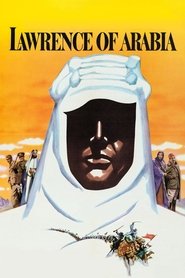
The role O'Toole made right after Bank of England.
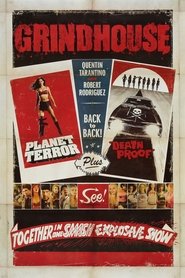
Its poor box office briefly got him blacklisted from studio submissions, then flooded with them.
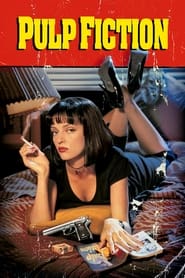
Hypothetical: without this becoming a phenomenon, would he ever have gotten an auteur career at all.
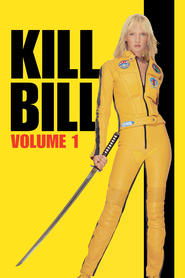
The abandoned plan for a trilogy plus anime prequel, cited as the kind of expansion he's now sworn off.
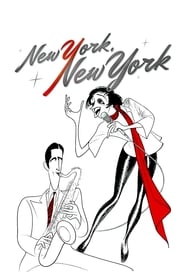
His model for how he'd recut Once Upon a Time in Hollywood if runtime were no object.
Not films filtered out: TV, games, ads
TV Crime StoryColumboCSIERAliasThe X-FilesThe AmericansThe MandalorianBattlestar GalacticaThe Queen's GambitRiverboatFireman SamAlfred Hitchcock PresentsPetrocelliCannonMission: ImpossibleMannixThe MagicianGunsmokeThe Man from U.N.C.L.E.Cades County
Books The MoviegoerAmerican CinemaThe Films of James Bridges
Unproduced Sergeant Rock (David Webb Peoples script)Westworld remake (Billy Ray script)Once Upon a Time in Hollywood stage play
Ads Boar's HeadNetflix FIFA World Cup Launch EditionWhite ClawAmerican Express Business Platinum