Paul Schrader on
First Reformed 2018
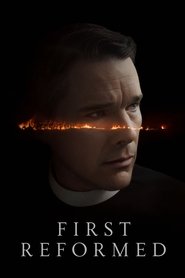
Ethan Hawke as Reverend Toller, a Schrader man consumed by ecological despair and a crisis of faith. Schrader chose the Ordet ending over the Diary of a Country Priest one.
The Big Picture · Interview
May 21, 2018/ 31 min/ Sean Fennessey
Sean Fennessey talks to Paul Schrader about First Reformed, the slow cinema that shaped it, and the career disaster that sent him back to the quiet movie he'd sworn off.
24 films across 1 segment.
AI-generated This episode was transcribed and analyzed with AI models. The matches aren't perfect — expect the occasional misheard title or a link to the wrong film.
Paul Schrader on First Reformed
Ethan Hawke as Reverend Toller, a Schrader man consumed by ecological despair and a crisis of faith. Schrader chose the Ordet ending over the Diary of a Country Priest one.
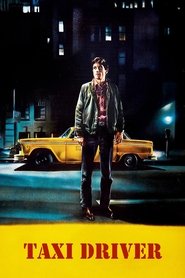
Schrader's screenplay. His editor pointed out how much Travis Bickle had crept into First Reformed, calling it the 'obsessive glue' holding the borrowed religious influences together.
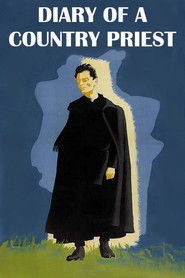
Bresson. One of the withholding models Schrader reread; its priest-falls-out-of-frame ending was the one he almost used.
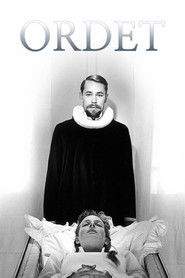
Dreyer. Kent Jones nudged him toward its resurrection ending, a response to a miracle that's carnal rather than pious.

Carlos Reygadas. Cited among the newer slow-cinema films Schrader studied.
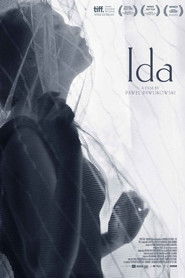
Paweł Pawlikowski's film about a nun; the conversation after Schrader gave Pawlikowski an award set him on the road to First Reformed.
Taken away from him and recut by others, the debacle that pushed him toward alcoholism and, later, insisting on final cut. He re-edited his own version as 'Dark,' which he says can't be shown.

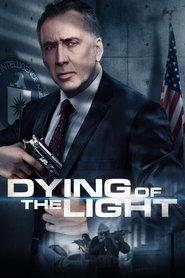
The Nic Cage film where he first used final cut, a loud, outrageous experiment. First Reformed used that same freedom in reverse, staying quiet instead of cutting loose.

The crowdfunded DIY movie with Bret Easton Ellis and Lindsay Lohan. Lesson learned: never again.
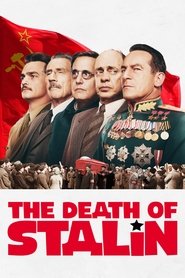
His pick for the last great film he'd seen; hadn't known Armando Iannucci's work before.
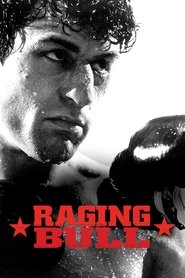
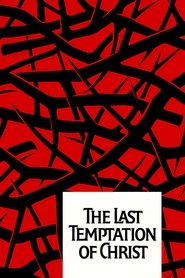
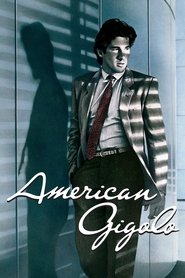


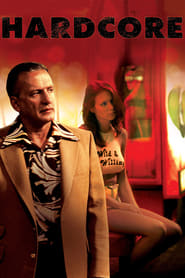
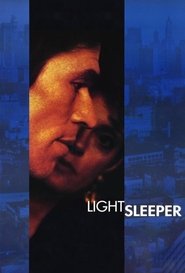
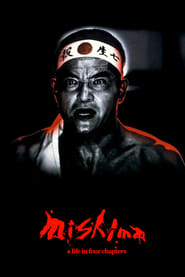
Boots Riley told him he lifted an elevator shot from it straight for his own Sundance film.
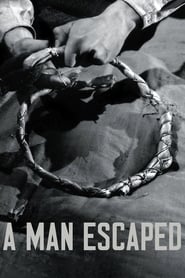
Bresson, one of the transcendental-style touchstones behind the film.
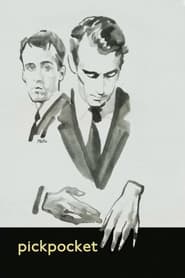
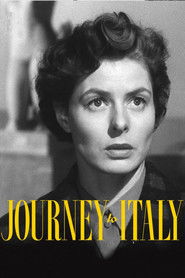
Hitchcock. Montgomery Clift's suffering man of the cloth was the physiognomy Schrader wanted, which led him to Ethan Hawke.
Antonioni. The exploding-house, slow-motion-debris ending was one of three finales Schrader considered, ruled out for cost.
Michael Mann. Schrader almost skipped it, then saw it recommended around his Facebook cinephile circle and loved it.
Also mentioned raised along the way
Namechecked in passing Get OutLady BirdSolo: A Star Wars Story
Not films filtered out: TV, games, ads
TV Wild Wild CountryBabylon Berlin