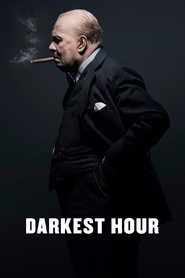
Joe Wright on
Darkest Hour 2017
The new film: one month of Churchill in 1940, pared back to a minimalist chamber piece he scored to Max Richter and Philip Glass.
The Big Picture · Interview
November 22, 2017/ 27 min/ Sean Fennessey
Sean Fennessey talks to Joe Wright about Darkest Hour, recovering from the failure of Pan, and building Churchill with Gary Oldman.
11 films across 1 segment.
AI-generated This episode was transcribed and analyzed with AI models. The matches aren't perfect — expect the occasional misheard title or a link to the wrong film.
In conversation
The new film: one month of Churchill in 1940, pared back to a minimalist chamber piece he scored to Max Richter and Philip Glass.

The studio movie that lost ~$100M and triggered the crisis of confidence he made Darkest Hour to answer.
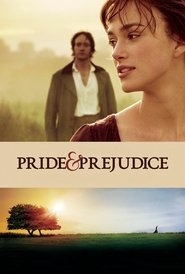
His debut; his producer warned only one in ten first-timers ever makes a second film.
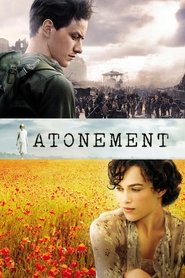
Chosen over a Birdsong adaptation on his agent's advice to make the one he felt he knew a secret about; seven Oscar nominations, none for Wright.
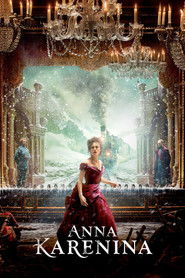
Cited as the ornate aesthetic he wanted to react against and strip back.
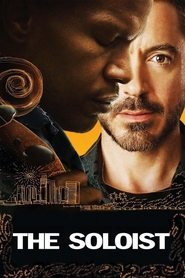
His earlier true-story film; he refused a false happy ending for Nathaniel Ayers.
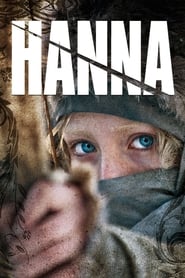
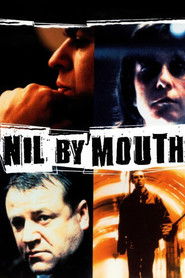
Gary Oldman's directorial film, one of Wright's favorites; his Churchill is the first actor-filmmaker Wright has worked with.
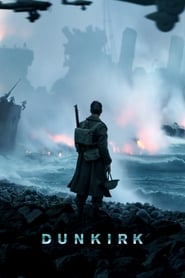
Nolan's film covers the same moment; Wright waited to watch it until Darkest Hour was finished and found both had gone minimalist.
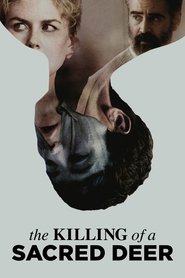
His answer for the last great thing he saw; fascinated by Lanthimos's dissociated performances.
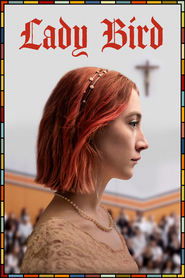
He calls Greta Gerwig a heroine and a proper filmmaker thinking about form.
Also mentioned raised along the way
In development Stoner
Not films filtered out: TV, games, ads
TV Black Mirror
Books Birdsong
Music Hey JudeBubble Butt