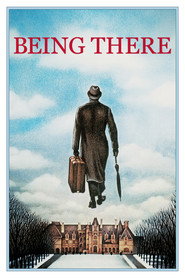
Bill Hader on
Being There 1979
Hader's example of a loose, meandering '70s film that still runs on tight structure.
The Big Picture · Interview
April 1, 2019/ 69 min/ Sean Fennessey
A double interview: Bill Hader on writing 'Barry' and the old movies behind it, then Mary Kay Place and Kent Jones on their film 'Diane.'
22 films across 2 segments.
AI-generated This episode was transcribed and analyzed with AI models. The matches aren't perfect — expect the occasional misheard title or a link to the wrong film.
Bill Hader on ‘Barry’
Hader's example of a loose, meandering '70s film that still runs on tight structure.
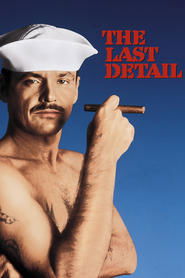
The other Hal Ashby he cites: a quest movie under an emotional surface, maybe outlined from Robert Towne's script.
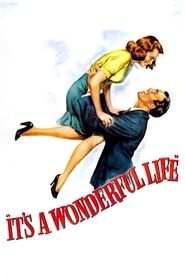
His model for the 'clean pitch': a complicated story you can still summarize in a breath, and shot for it.

Kiarostami. Hader watched it three times on FilmStruck and told Alec Berg to; a kid returning a classmate's notebook, and the writing he keeps striving for.
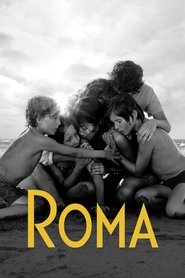
His favorite of the prior year: the anti-Barry, structured like a Tarkovsky mood you let wash over you.

Named alongside Roma as a film you sink into rather than plot tightly.
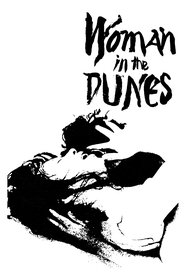
The Blu-ray he watched the night before: a 'super disturbing Japanese movie' he rewatches between the freeway TV.
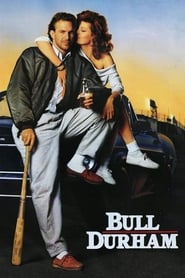
First-time watch; likes that it isn't really a baseball movie, and calls it Kevin Costner's best.
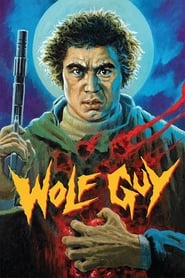
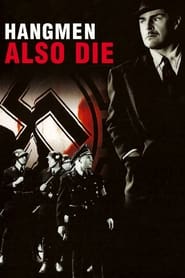
The Fritz Lang he'd recommend; Brecht co-wrote it, a fictional telling of a Nazi assassination and the hostage reprisals that follow.
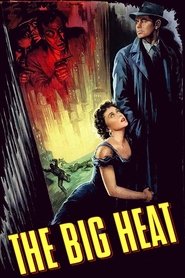
His proof Lang had seen real violence: Lee Marvin throwing scalding coffee in a woman's face.
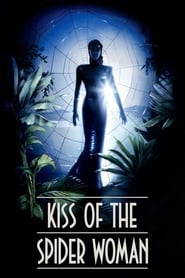
The film his truck-driver father loved and broke down unpretentiously, the way Hader learned to talk about movies.
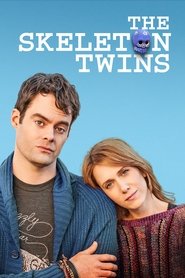
The Hader movie HBO liked, which led to the meeting that became Barry.
Mary Kay Place and Kent Jones on ‘Diane’

Jones's first narrative feature, written for Place: the world of his New England aunts and uncles, and a life nearing its end.
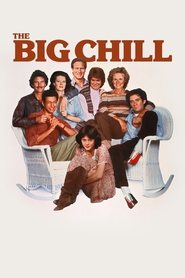
Where Sean recalls Place from; part of 40 years of steady work.
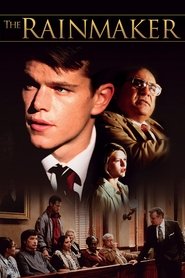
Place as Dot Black in the Coppola film, the role that made Jones think she could play his mother.
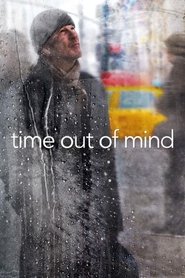
The Oren Moverman film Jones admired before Moverman's company, Sight Unseen, backed Diane.

Jones's documentary; he cut a late, sick-sounding Truffaut radio interview about filmmaking as a fugue state.
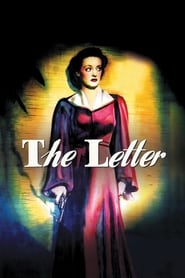
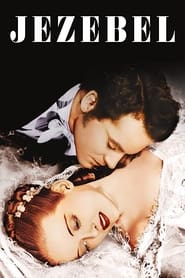
One of the William Wyler films Jones revisited (a director who only grows for him).
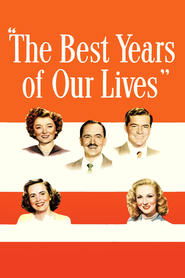
The Wyler he knows by heart and found more shattering than ever; his father lived the coming-home experience it depicts.
Also mentioned raised along the way
In passing Certified CopyTaxi DriverRaging BullPredatorPolice Academy 5: Assignment Miami BeachDoberman CopHateship LoveshipBoyhood
Not films filtered out: TV, games, ads
TV BarrySouth ParkSaturday Night LiveSilicon ValleyDeadwoodAtlantaThe SopranosBreaking BadBodyguardSex EducationLady Dynamite
Theater True WestThe PrisonerThe Waverly Gallery
Promos The Bill Simmons PodcastThe RewatchablesWinging It