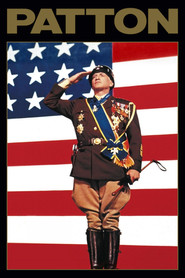
Patton 1970
George C. Scott as the WWII general, from a script co-written by Francis Ford Coppola. Nixon screened it repeatedly during April 1970 as he weighed sending troops into Cambodia; critics wondered if the invasion followed the movie.
The Big Picture · Discussion
August 11, 2023/ 38 min/ Brian Raftery
Episode 2 of the Ringer's Vietnam-and-Hollywood documentary. With the studios still ducking the war, filmmakers smuggled it onto the screen as a WWII epic, a Korea comedy, a Western massacre. Then the returning vet became a stock character who might snap at any moment.
17 films across 2 segments.
AI-generated This episode was transcribed and analyzed with AI models. The matches aren't perfect — expect the occasional misheard title or a link to the wrong film.
The war in disguiseVietnam smuggled in as some other battle
George C. Scott as the WWII general, from a script co-written by Francis Ford Coppola. Nixon screened it repeatedly during April 1970 as he weighed sending troops into Cambodia; critics wondered if the invasion followed the movie.
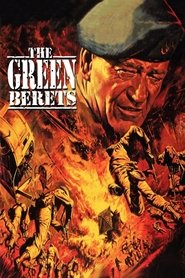
John Wayne's pro-war film, the one big-studio Vietnam movie, and the exception the episode measures everything against.
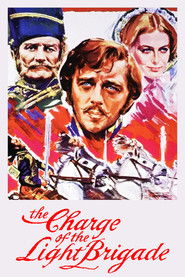
British satire of a doomed cavalry charge. CIA officer Frank Snepp watched it on a Saigon rooftop and read it as a metaphor for the hopeless war around him.
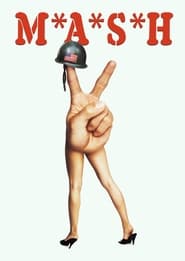
Robert Altman's pitch-black Korean War comedy. Fox forced on-screen titles fixing it in Korea because they feared audiences would read it as Vietnam, and Altman admitted it was.
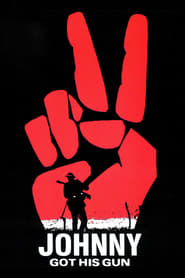
Dalton Trumbo's WWI drama with Jason Robards as a gravely wounded soldier; Metallica later sampled it in the video for 'One.'
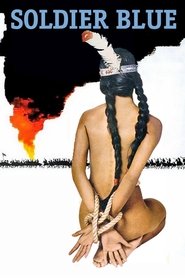
Ralph Nelson's Western ending in a cavalry massacre of Cheyenne women and children, a stand-in for My Lai; Candice Bergen stars. Walkouts and refund demands at early screenings.
The vet comes homethe returning soldier as new screen stereotype
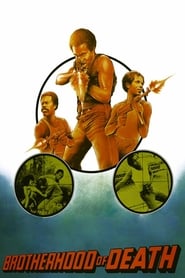
Cheap B-movie about Black Vietnam vets who bring the war home against their town's Klan. Stars first-timer Haskell V. Anderson and ex-NFL receiver Roy Jefferson; a Tarantino favorite. The vet's line, 'I just don't talk about it,' gives the episode its title.
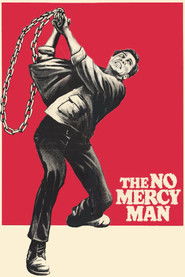
Revenge picture: a decorated vet returns to a town overrun by thugs and fights back.
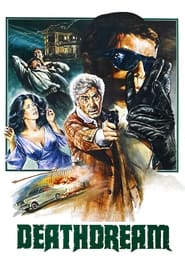
Bob Clark horror, later retitled 'Deathdream.' A soldier killed in action comes home anyway, stilted and murderous, and ends up burying himself.
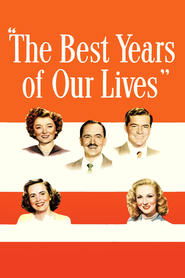
The earlier model: three WWII servicemen readjusting. Harold Russell, who lost his hands in the war, played the sailor Homer and won two Oscars for a role he'd lived.

Bogart as veteran-screenwriter Dixon Steele, a noir vet who can't be trusted: the untrustworthy-outsider template.

Jim Brown as an ex-Green Beret taking on the mob; a classier, sympathetic exception to the killing-machine vet.
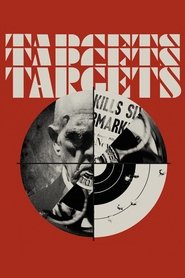
Peter Bogdanovich's clean-cut vet turned sniper, ending in a drive-in shootout; re-released after 'The Last Picture Show' made him a hit.
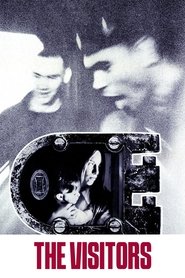
Elia Kazan drama, one of the early films casting Vietnam vets as violent, potentially murderous brutes.
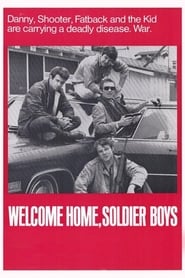
Same stereotype: returning vets who turn violent.
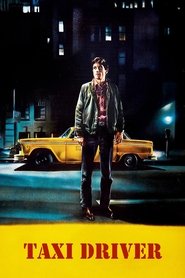
Scorsese and Paul Schrader's Travis Bickle, maybe a Marine, maybe lying, with Vietnam hanging over the whole city. The film that made Scorsese a name.
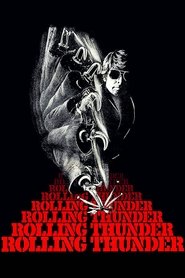
John Flynn's revenge picture, a Schrader script rewritten by Heywood Gould. William Devane as a POW who loses his family and his hand; Tommy Lee Jones as his fellow vet. Screenings so gnarly moviegoers threatened the executives.
Also mentioned raised along the way
In passing The Sound of MusicWhite ChristmasIt's a Wonderful LifeAn American in ParisThe Last Picture Show
Not films filtered out: TV, games, ads
TV The Smothers Brothers Comedy HourABC News
Music Fortunate Son (Creedence Clearwater Revival)One (Metallica)The Draft Dodger Rag
Ads CarvanaNetflix FIFA World Cup Launch EditionBoar's HeadStarbucks FrappuccinoBrooks BrothersThe Wall Street JournalIcons ClubThis Blew UpGamblers